

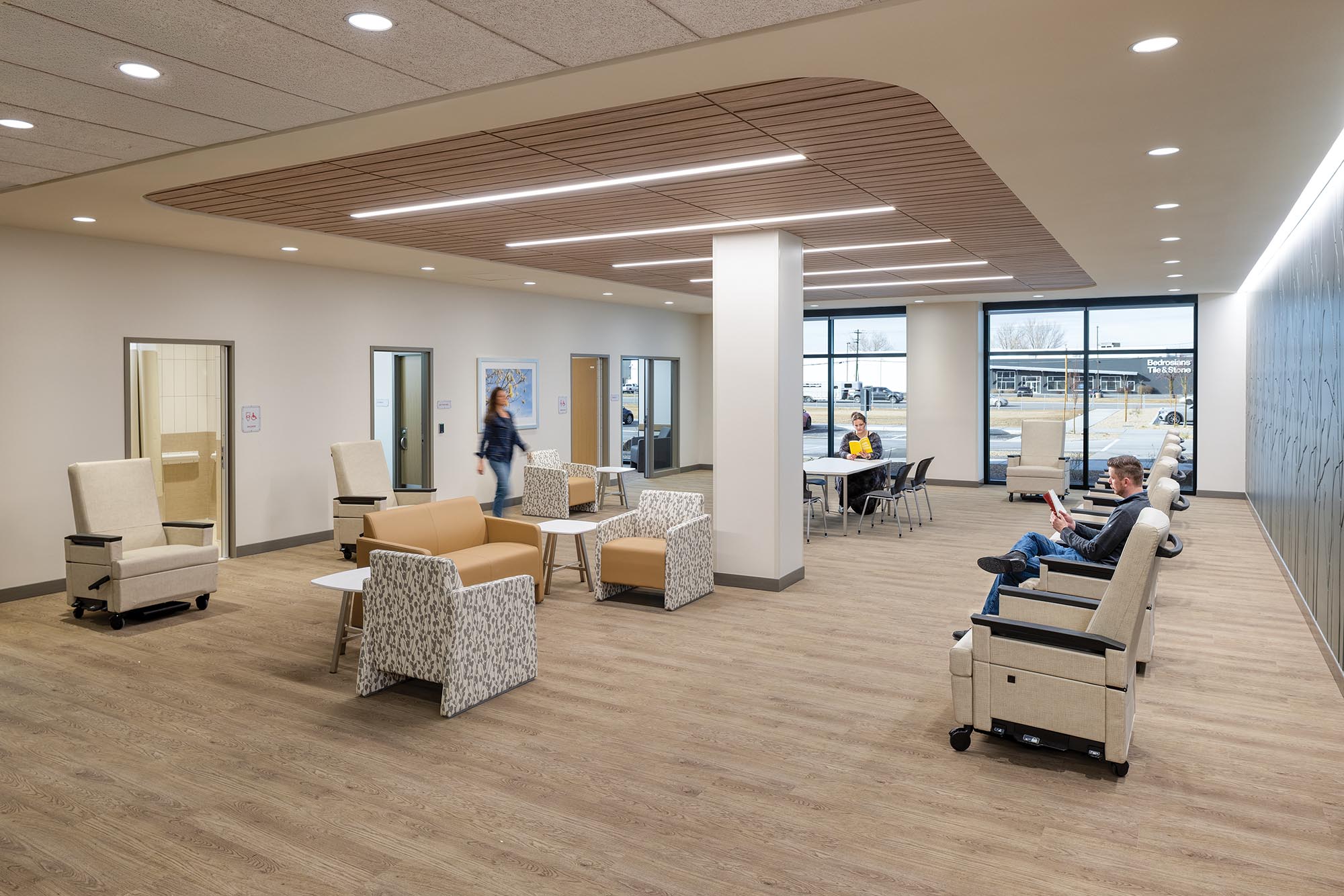
The Kem and Carolyn Gardner Mental Health Crisis Care Center in South Salt Lake, Utah, sets a new standard of care by blending necessary safety measures with elevated design to provide a dignified path toward recovery. This bold investment in the future of mental health embodies a “no wrong door” philosophy, ensuring every person in crisis, arriving voluntarily or with first responders, is welcomed, stabilized, treated, and connected to future care.
This three-story, 81,600-square-foot center responds to patients with varying risk levels, featuring an integrated 30-chair observation unit on Level 1, outpatient and bridging services on Level 2, and a 24-bed acute stabilization unit on Level 3. Beyond clinical care, the center addresses social determinants of health, offering legal, dental, and wellness services. This is more than a place for treatment—it is a commitment to restoring dignity and changing the future of crisis intervention.
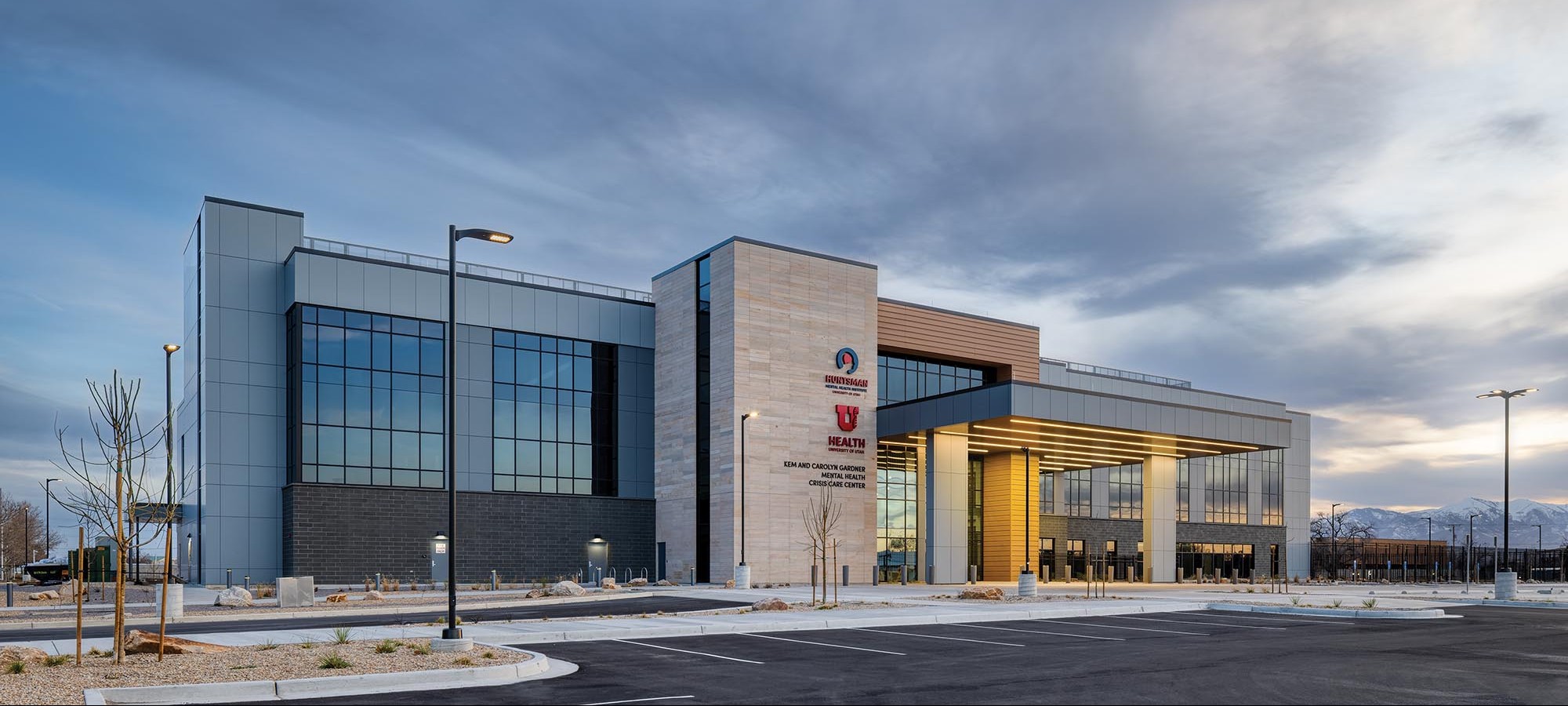
Lobby as an Inviting Signal
The main entrance features an oversized, welcoming canopy that leads to a transparent lobby, signaling an open and inviting arrival experience. Patients are greeted by the open two-story lobby with natural elements and a concierge desk with soft, rounded edges. Operational efficiency was optimized by dedicating intake from any entrance to streamline triage and treatment, thereby reducing waiting times for patients. Centralized care desks with clear sightlines provide efficient monitoring from a single location.
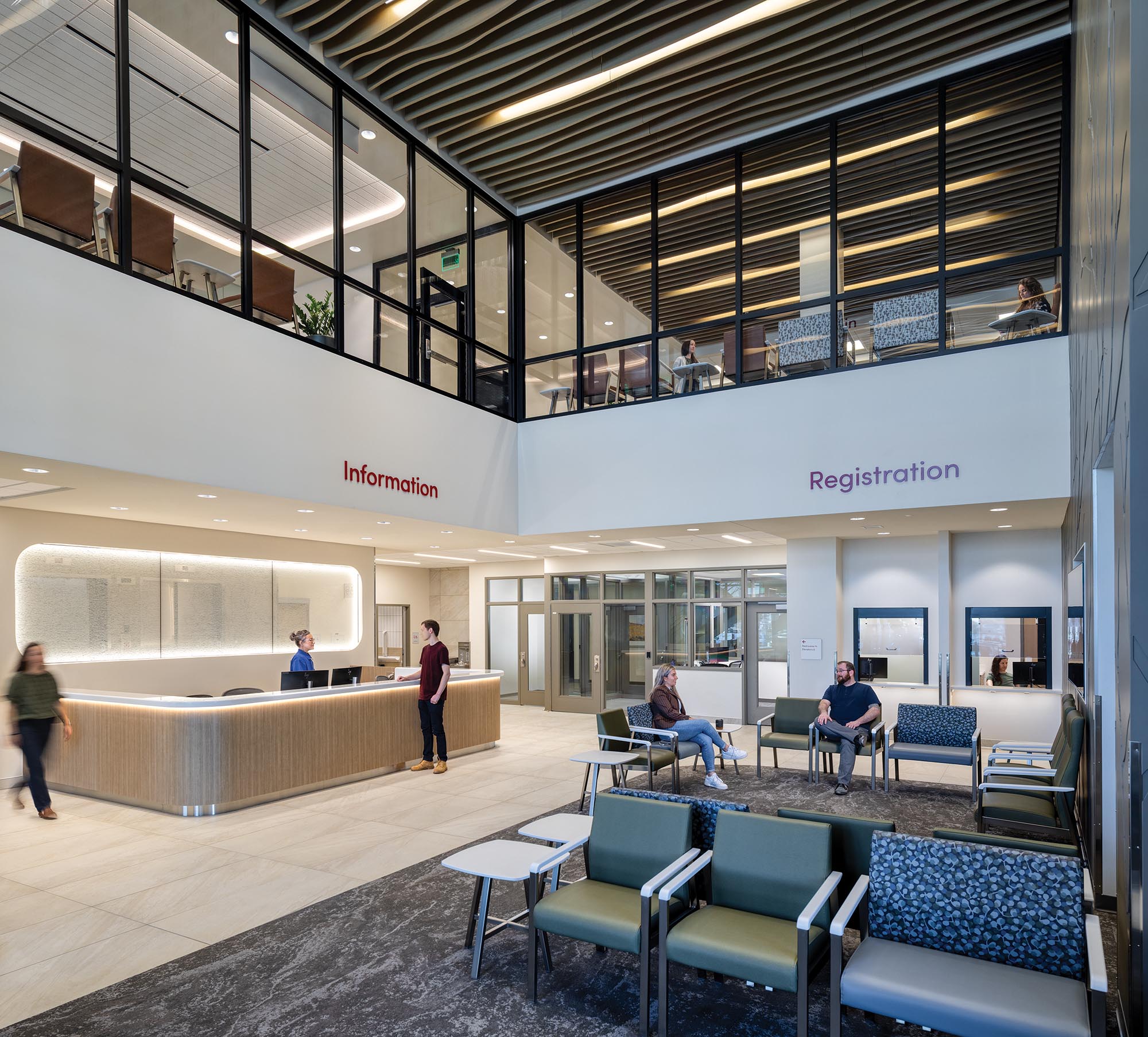
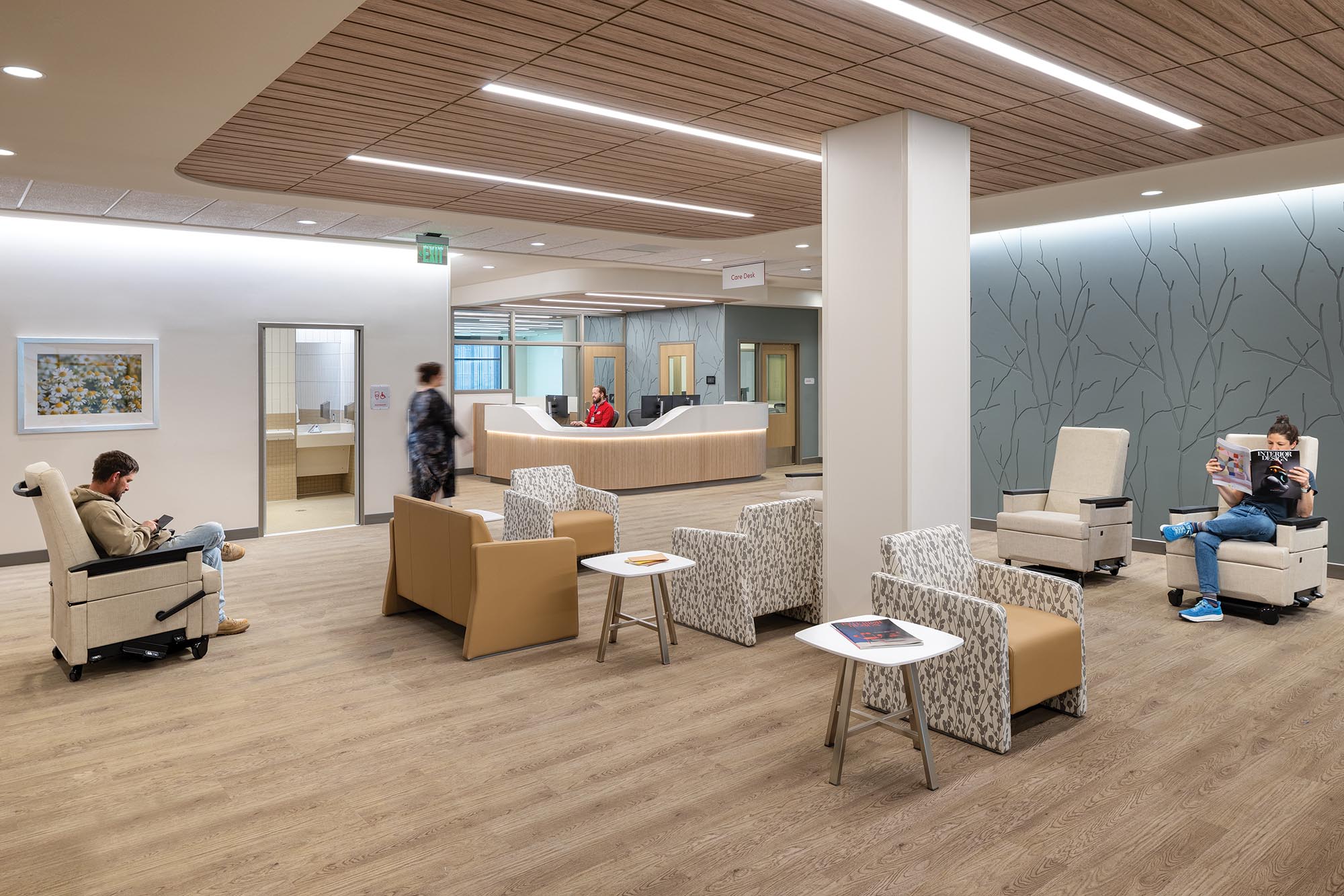
Observation Area
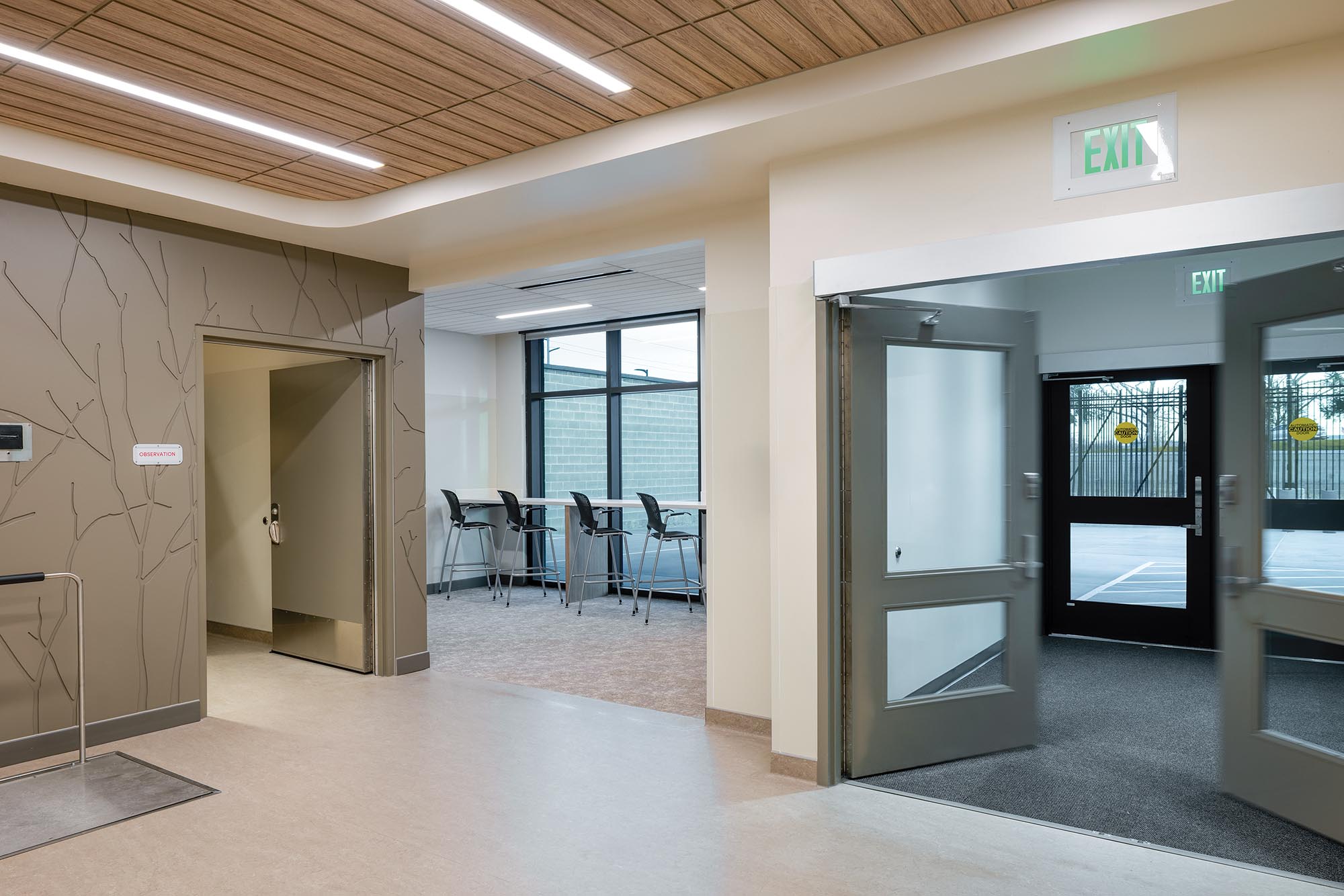
The observation area combines hospitality-inspired biophilic design to create a welcoming, non-institutional space that incorporates safety features, such as ligature-resistant fixtures, sallyports, and transparency in corridors and rooms, without feeling restrictive or clinical. This approach provides patients with autonomy and comfort.
Dignity for Patients
A dedicated first responder entrance supports secure and efficient transfers, maintaining the same design aesthetic as the main lobby to reinforce dignity for patients arriving in crisis. The first responder waiting area offers a place to rest, complete with a restroom and snacks, and provides welcoming mental health services adjacent to the corrections facility.
Spaces for Respite
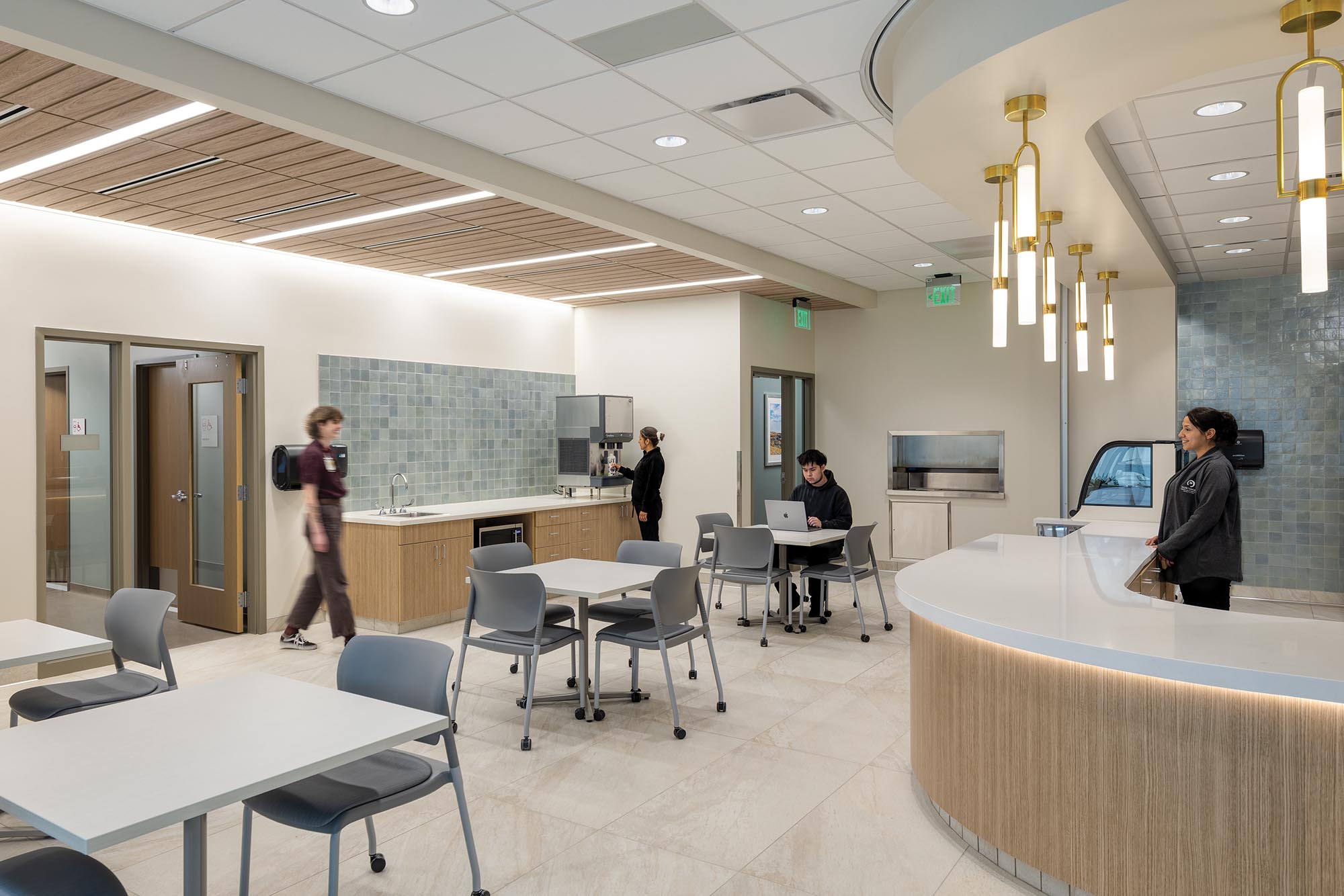
Support for staff mental and physical health was prioritized with dedicated staff-only courtyards, fitness room, lockers and showers, a cafe, and breakrooms on each level with windows or natural light. These spaces for respite and self-care help caregivers reduce burnout.
Symbol of the Patient journey
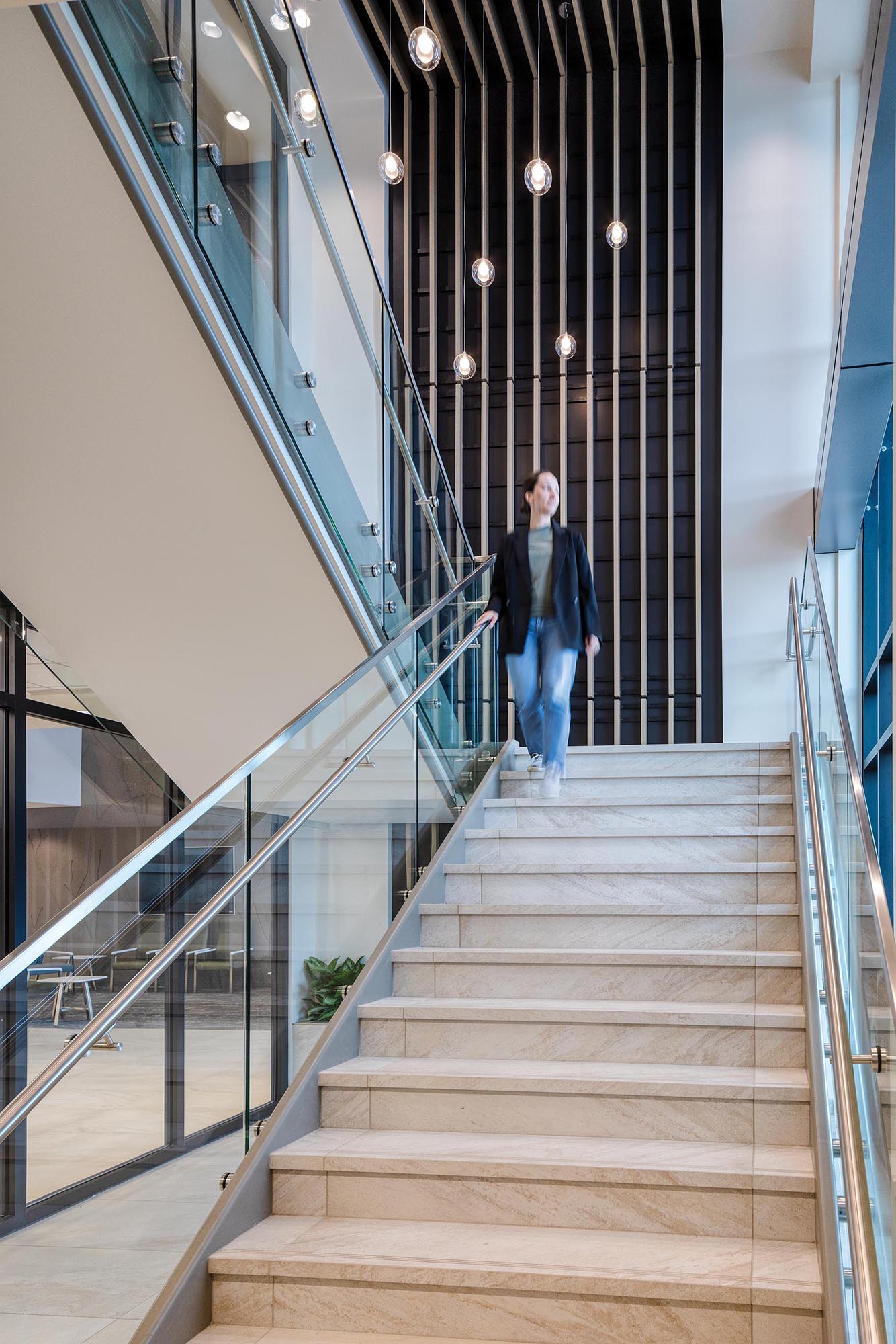
An architectural centerpiece, the stair’s natural wood accents and open form symbolize transparency and progression in the care journey and encourage movement between floors one and two.
Outpaitent Service Waiting Area
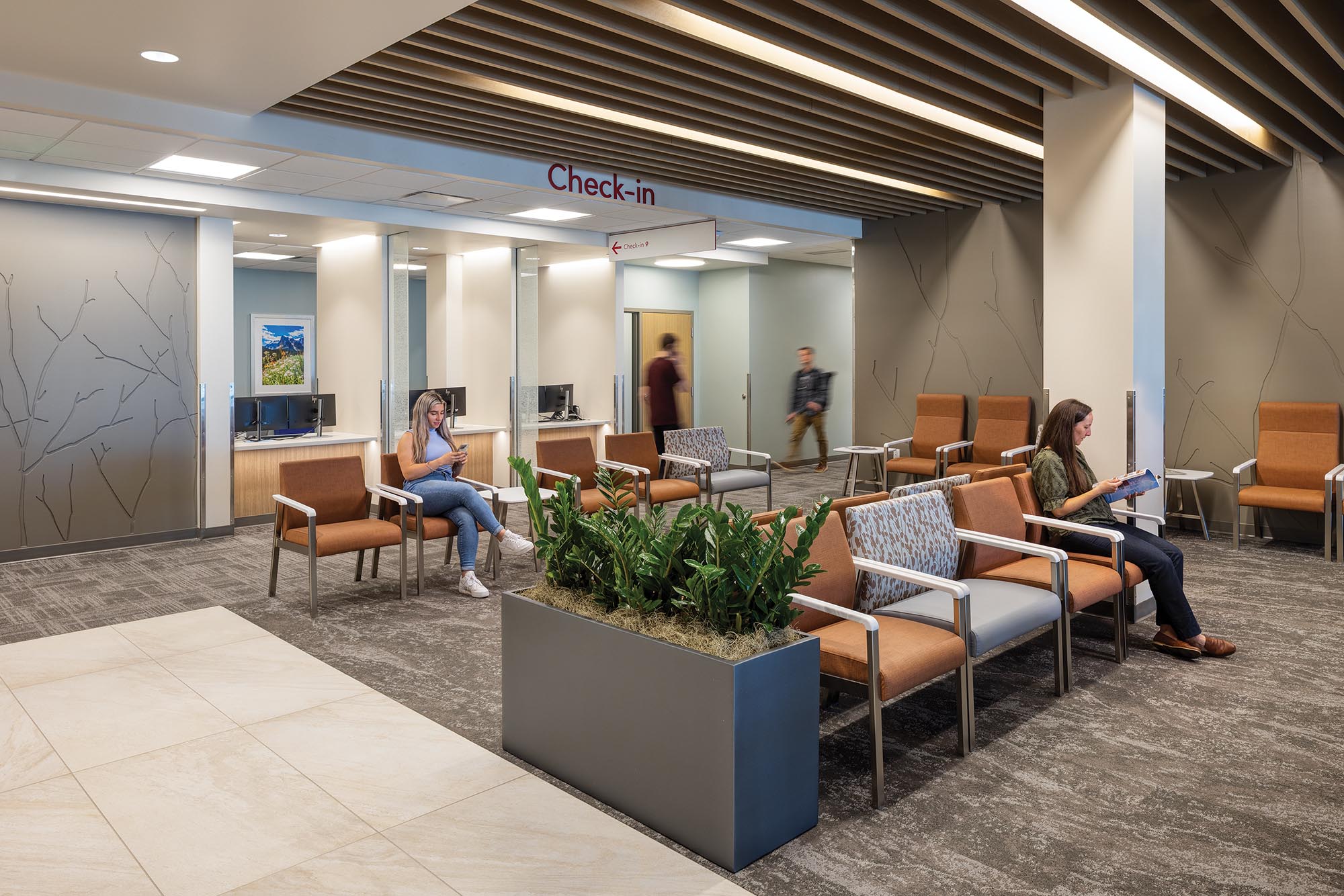
The same calming materials, tree branch wall reliefs, and strategic lighting carry on from the lower lobby to the Level 2 shared waiting area for outpatient services. Resilient materials were selected for their durability, low maintenance, and reduced need for care. Technology included tunable lighting and staff alert systems.
Living Lab Spaces
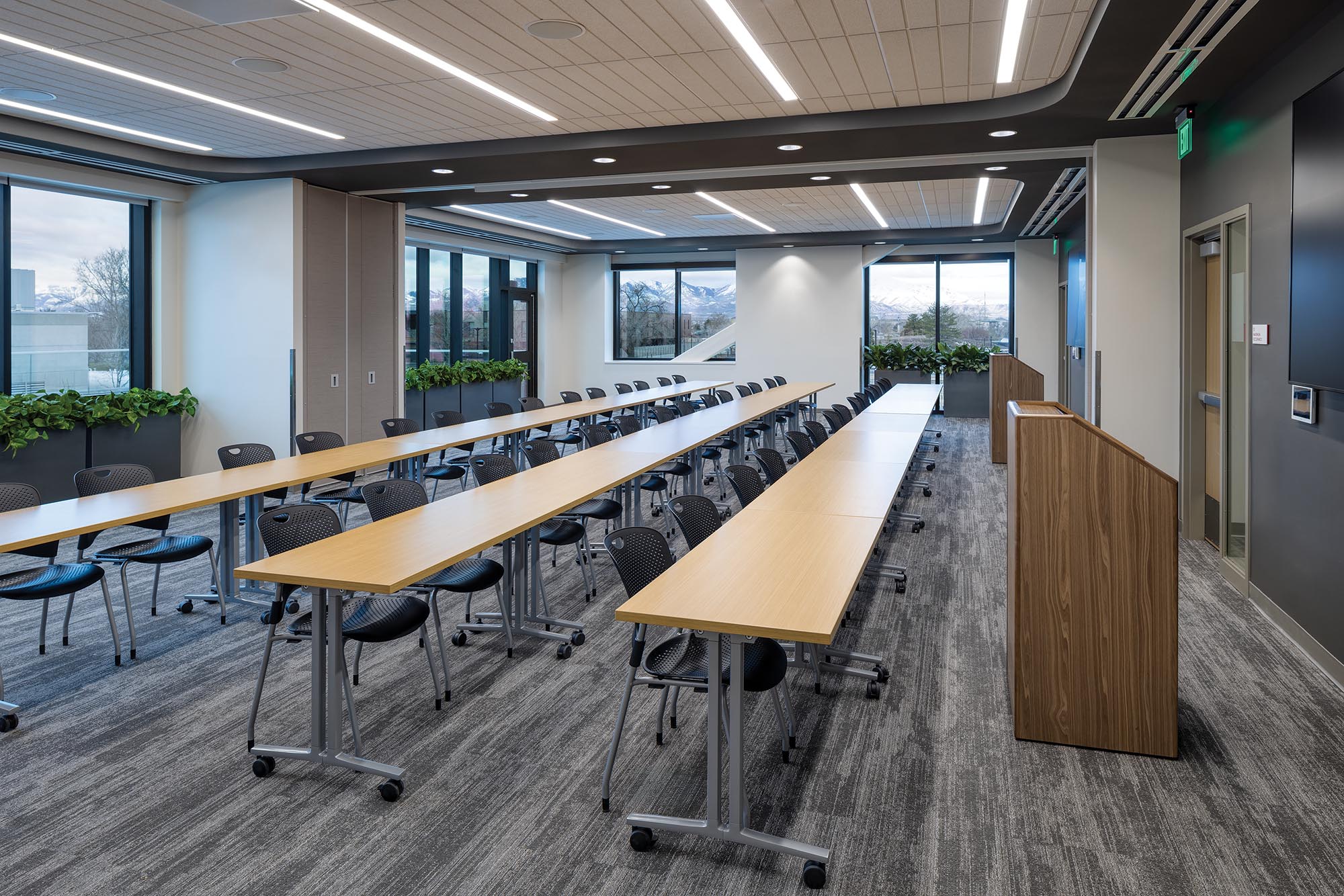
The facility serves as a “living lab,” incorporating embedded research on the benefits of light, views, and access to nature, as well as dignity in treatment for mental health. Level 2 integrates public spaces, administration, and outpatient services, including talk therapy, movement therapy, dental care, legal services, and research. A dedicated, flexible multi-purpose room with an outdoor patio can hold groups for training, education, and community outreach.

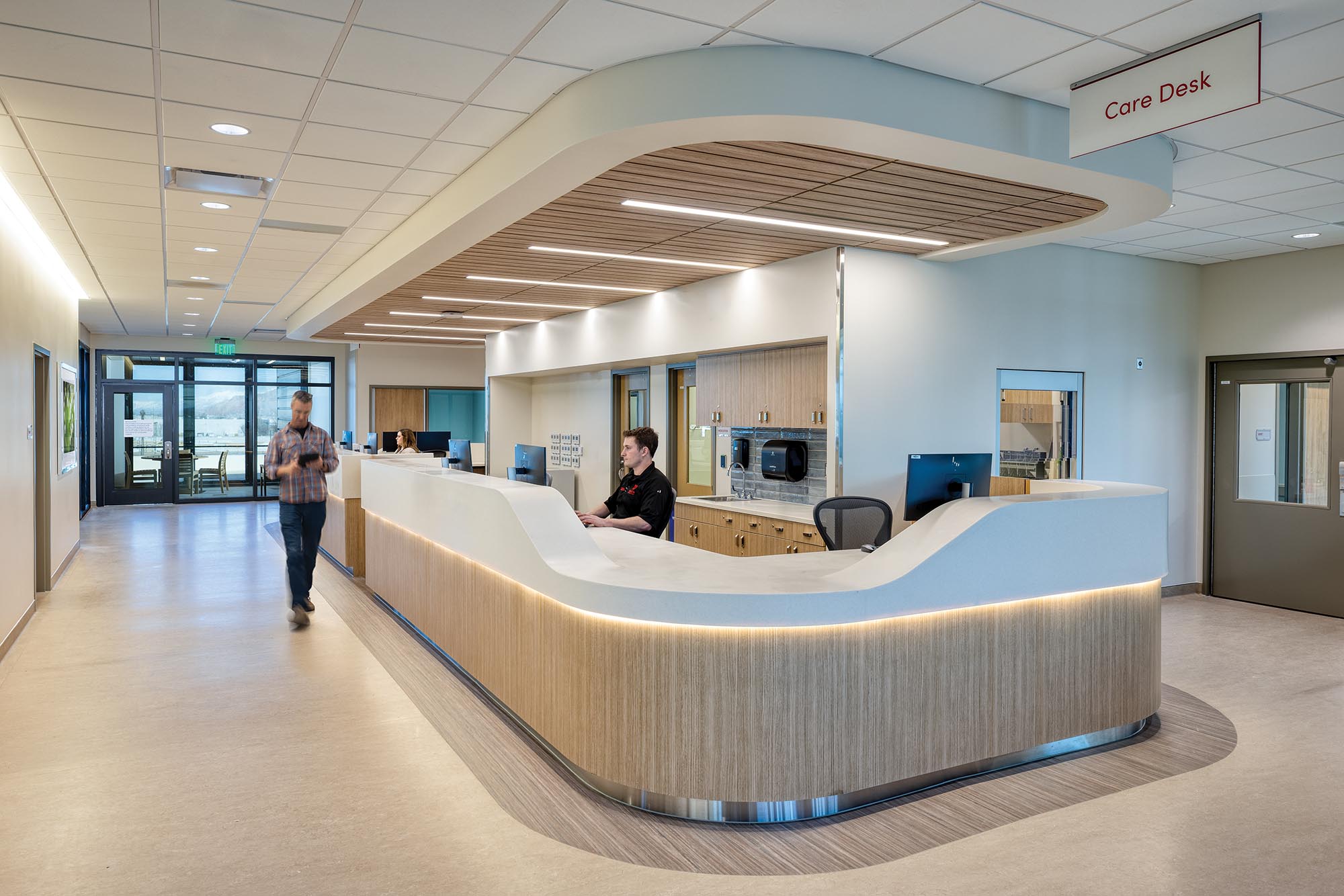
Inpatient Care Desk
Positioned for optimal visibility to each inpatient neighborhood, the care desk enhances safety and patient monitoring while providing staff with an efficient, functional workspace. The soft edges, dips of the counter, and warm materials make the desk approachable to patients. Lighting is tunable and dimmable in each space, controlled by a mounted centralized tablet within a wing. Staff can adjust lights in response to the type of activity or time of day to reduce stress, support emotional regulation, and maintain circadian rhythms for patients and staff.
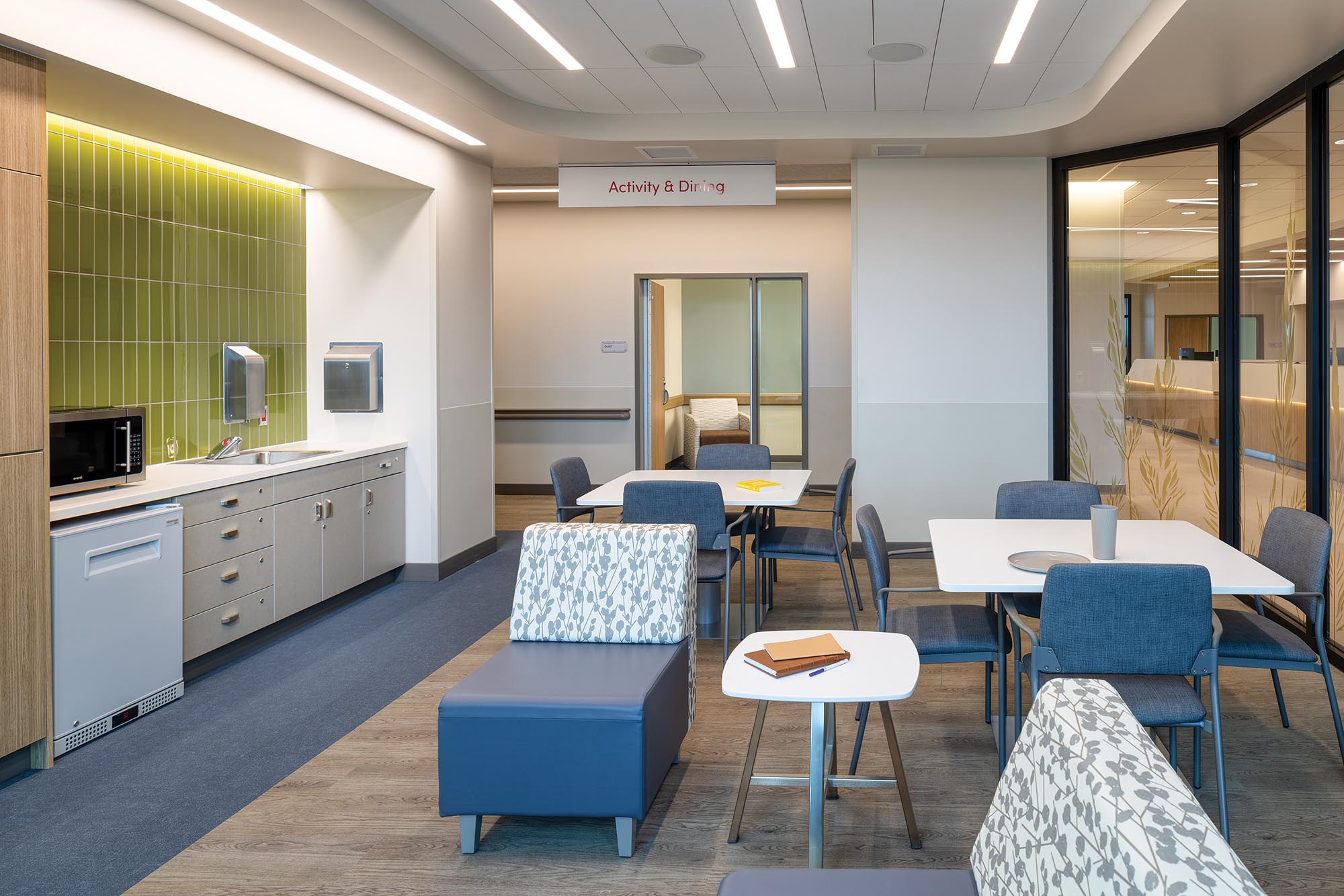
Living Neighborhoods
Neighborhood corridors have a distinct color identity —rust, green, or blue— for patient orientation and wayfinding through the space. The activity and dining spaces in each neighborhood offer a flexible, comfortable environment for sharing meals, unwinding, and engaging in creative activities. These spaces allow patients to feel a sense of belonging and combat loneliness on their healing journey.
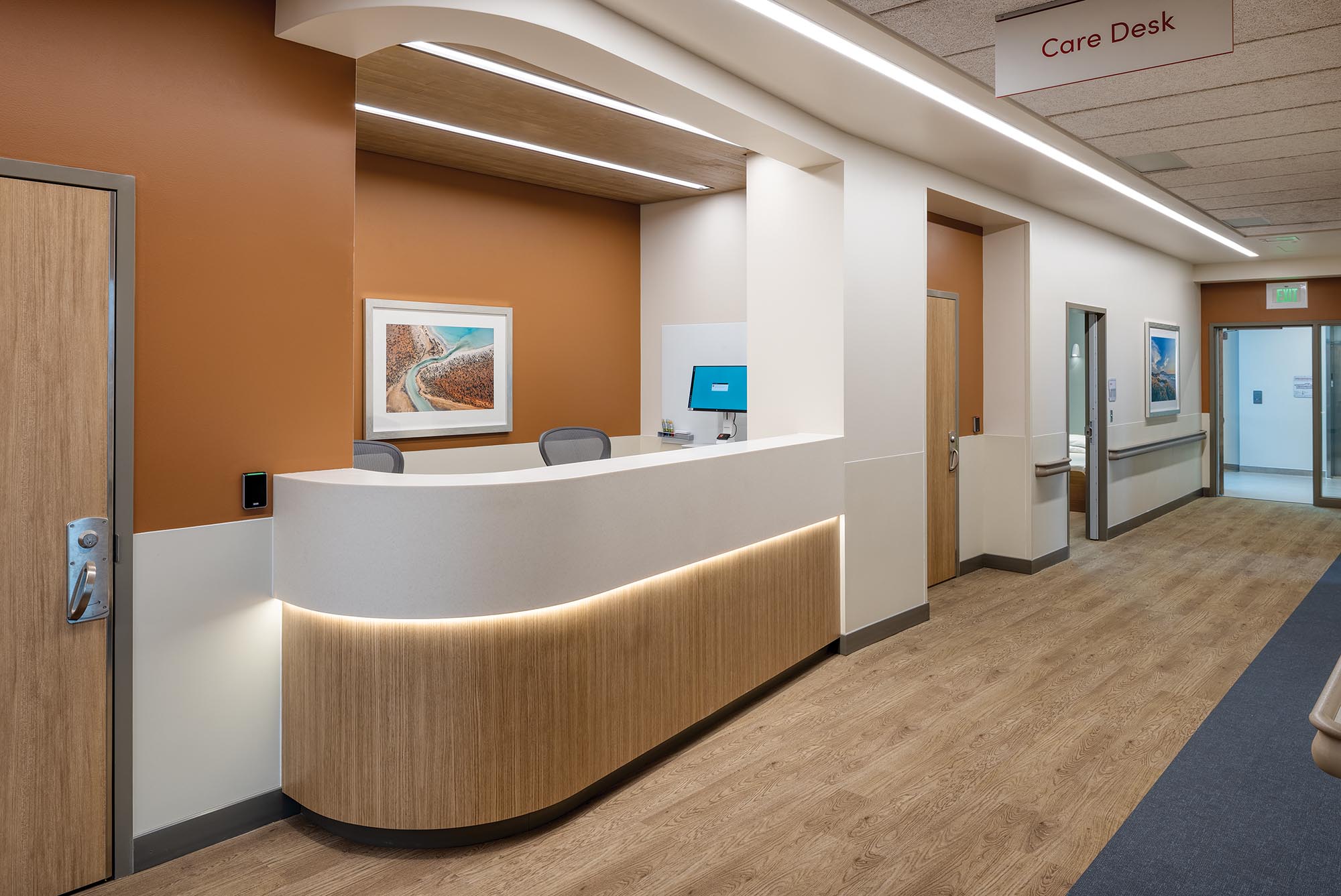
Satellite Nurse Desks
On Level 3 extruded, curved satellite nurse desks in each neighborhood wing can be occupied for additional observation or patient support. Windows are located at the ends of corridors, delivering views of the surrounding mountains and natural light. Staff hallways facilitate efficient travel between neighborhoods, offering proximal access to storage and housekeeping.
Emotional and Physical Comfort
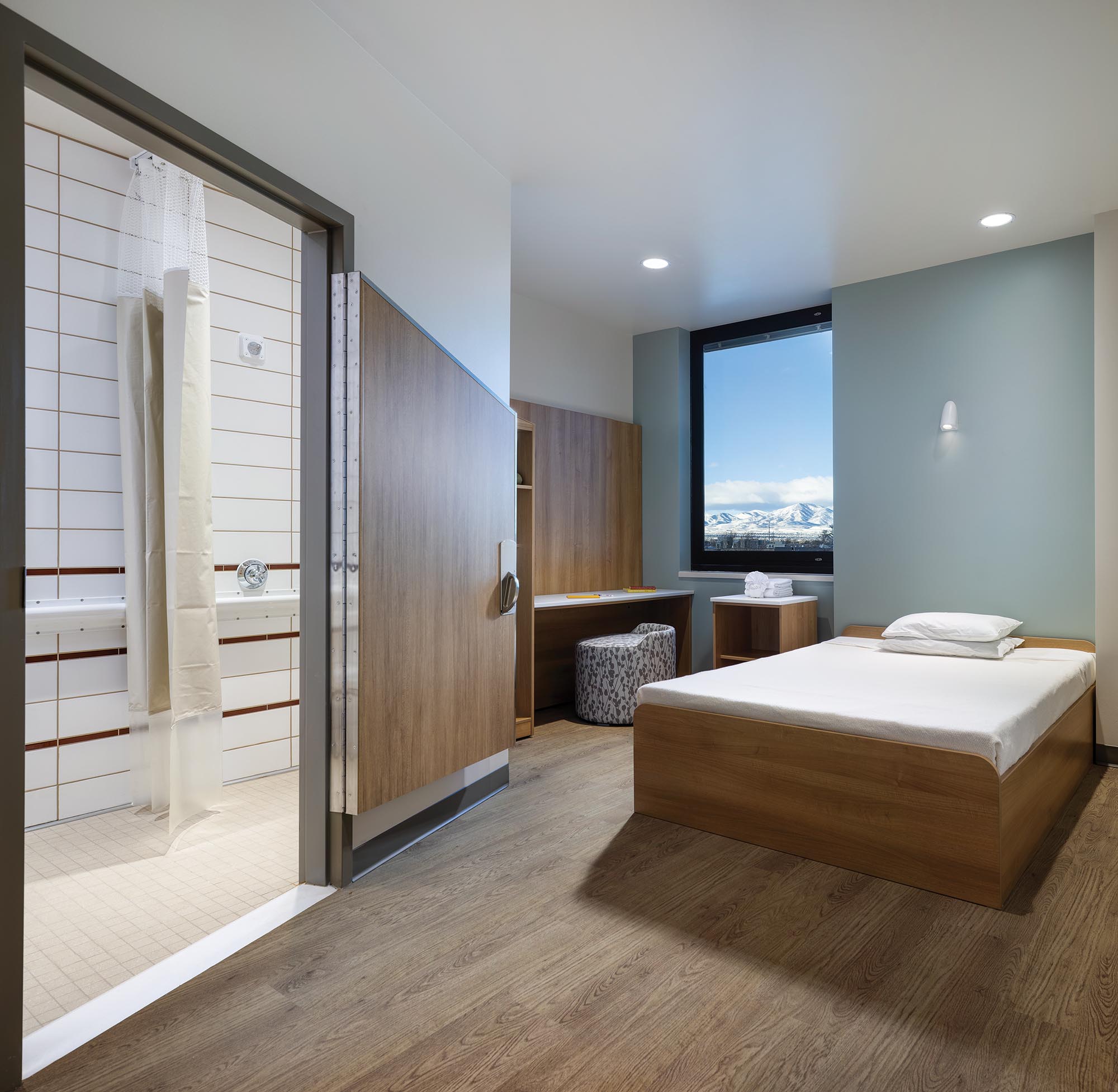
Emotional and physical comfort for patients was the priority. To reduce patient anxiety and promote autonomy, inpatient rooms on Level 3 are single-occupancy with an en-suite bathroom, a full-size bed, and personalized lighting controls. To help destigmatize, anti-ligature fixtures and furniture are used throughout the building in patient, staff, and public areas.
Healing Gardens
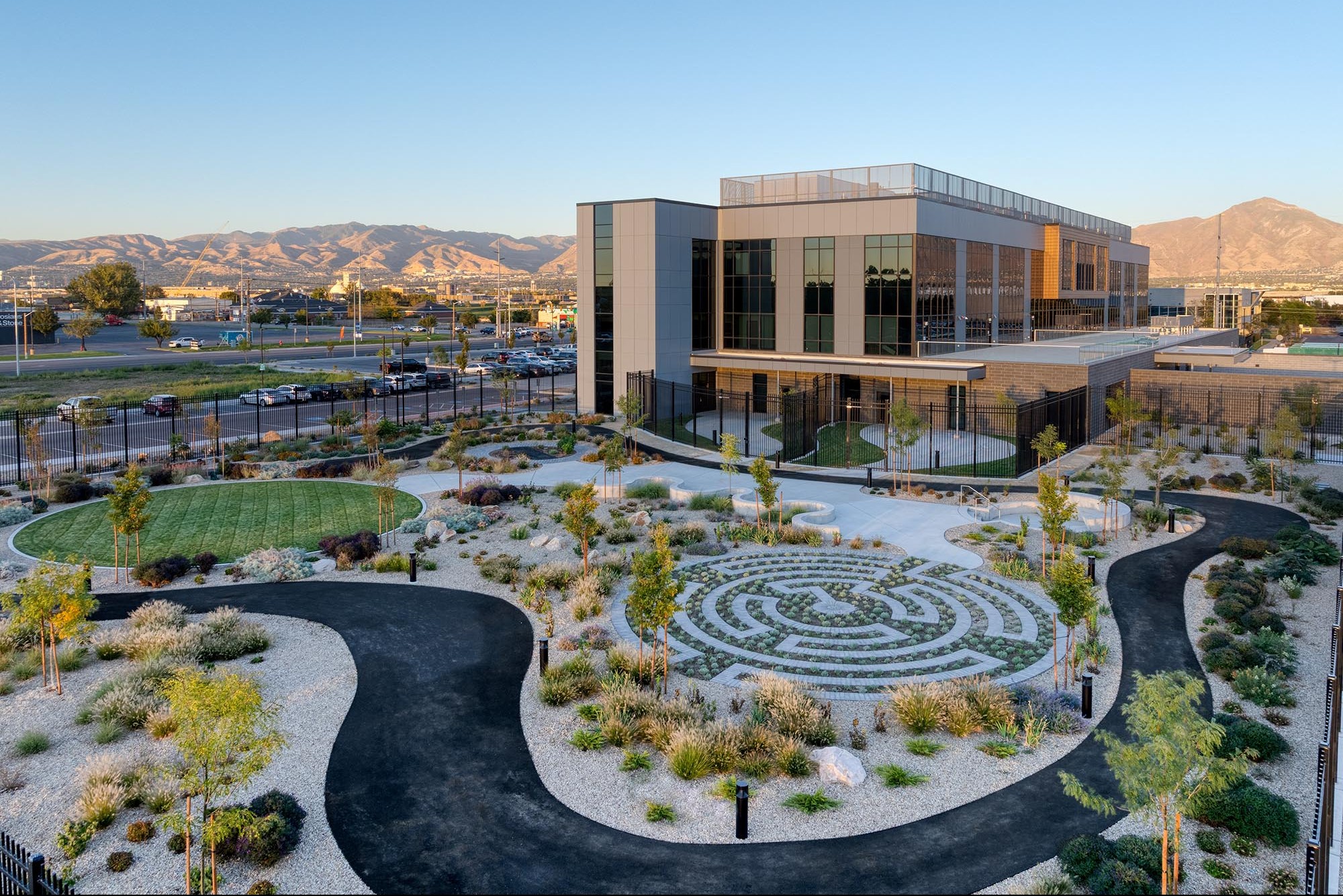
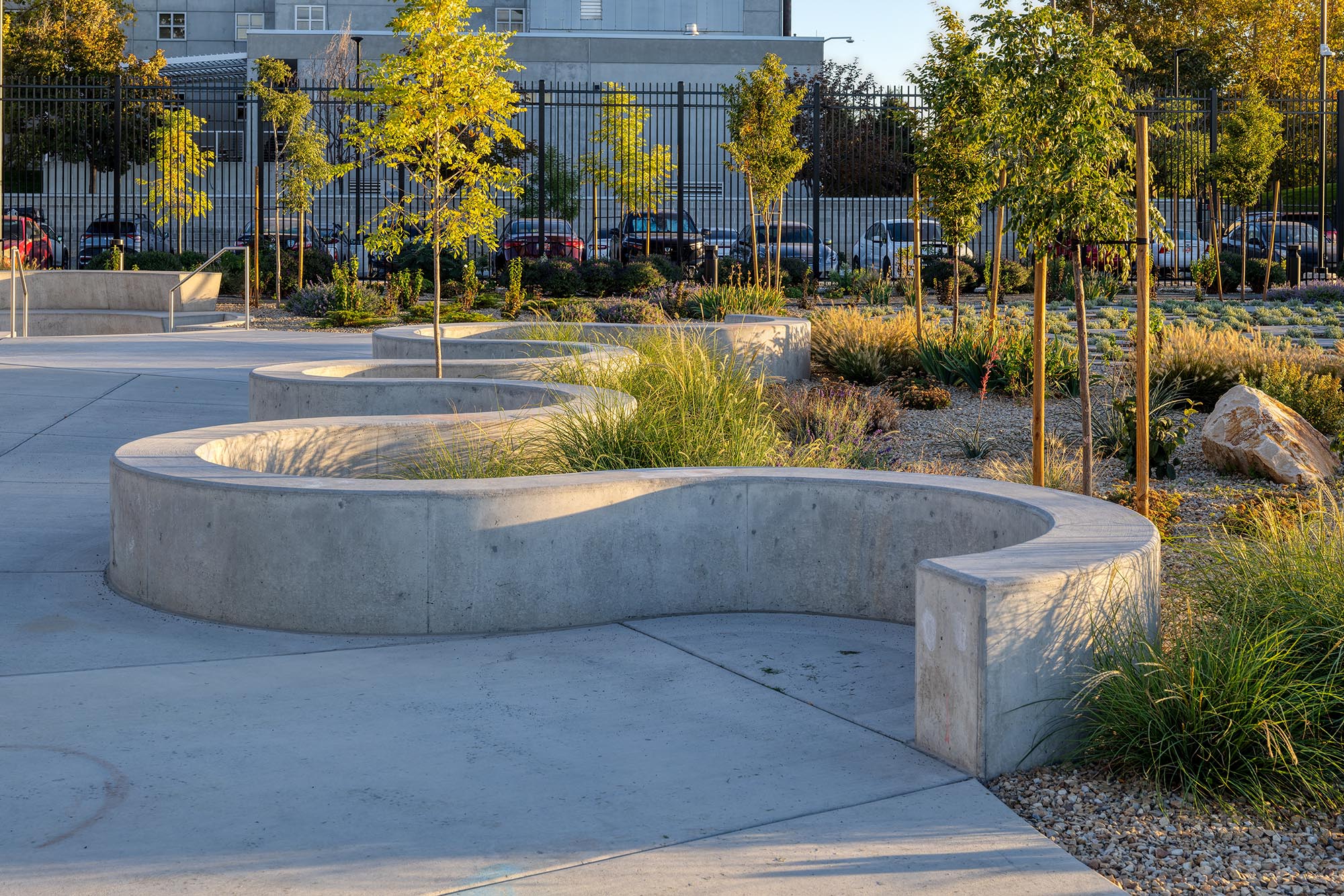
Unique to this center is the tiered levels of secure outdoor spaces adjacent to the center for individual respite, therapeutic movement, or group activities. On Level 3, ‘porches’ with screens are available off the activity and dining rooms for patients to ‘step outside’ and experience the sense of the outdoors —temperature, sounds, and smell.