

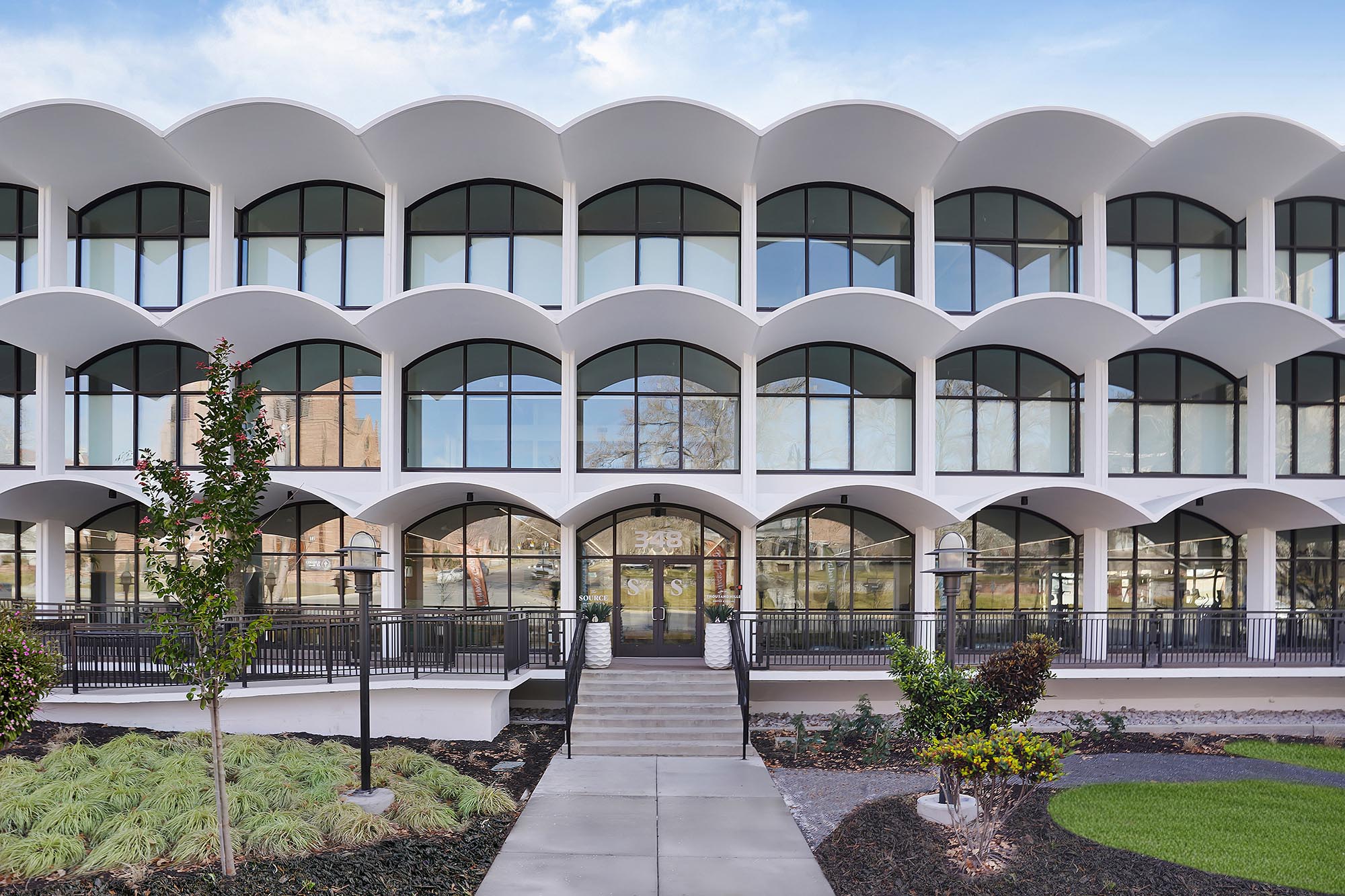
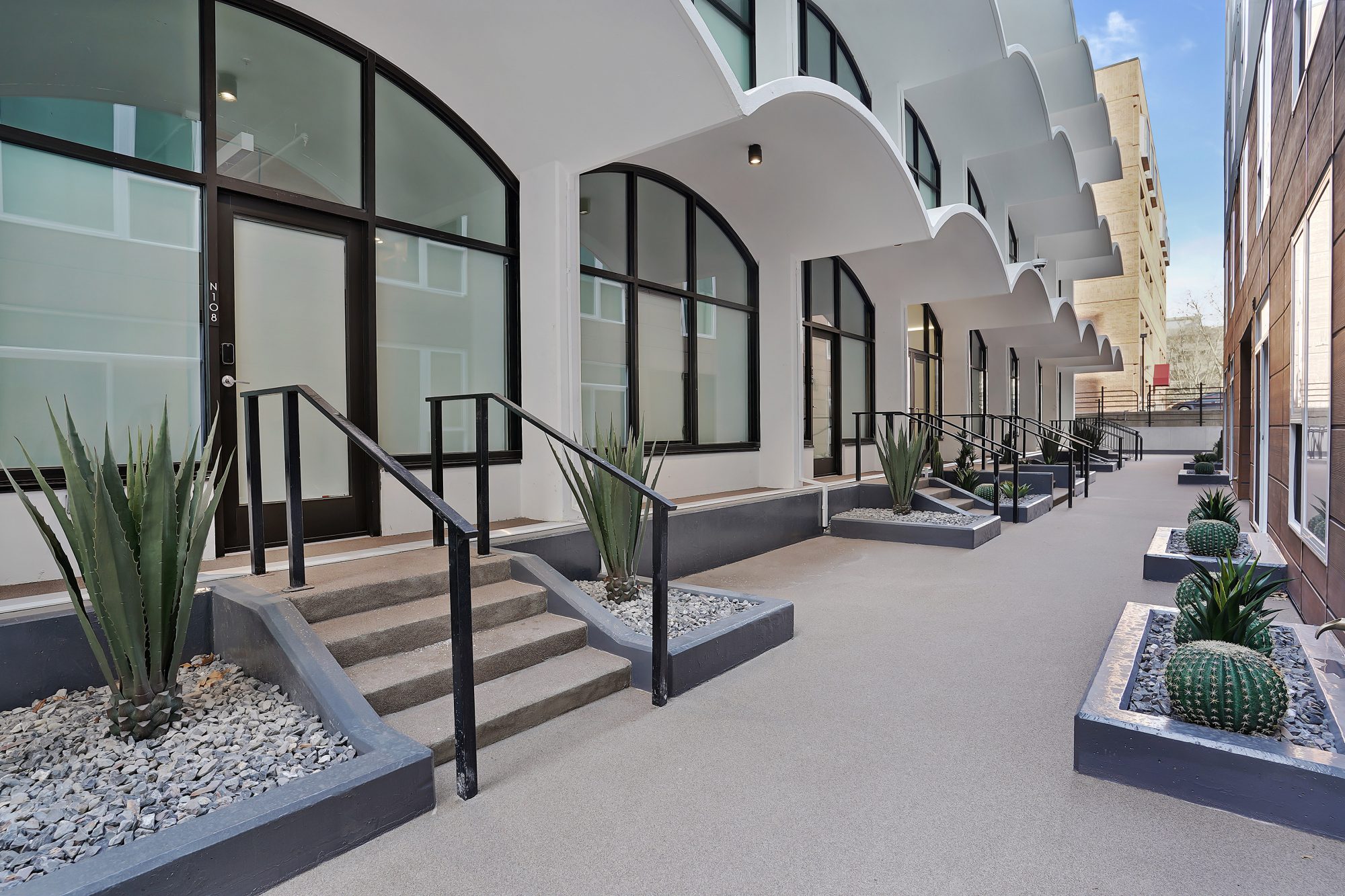
The IBM Building, with its historic white arches, has graced South Temple in mid-century modern architectural style since it was completed in 1962. But it needed new life once IBM consolidated resources, and owners at Cottonwood Heights-based Woodbury Corporation enlisted Salt Lake-based FFKR Architects and general contractors at Ogden-based Wadman Corp. to retrofit the building for residential use as The Source on South Temple.
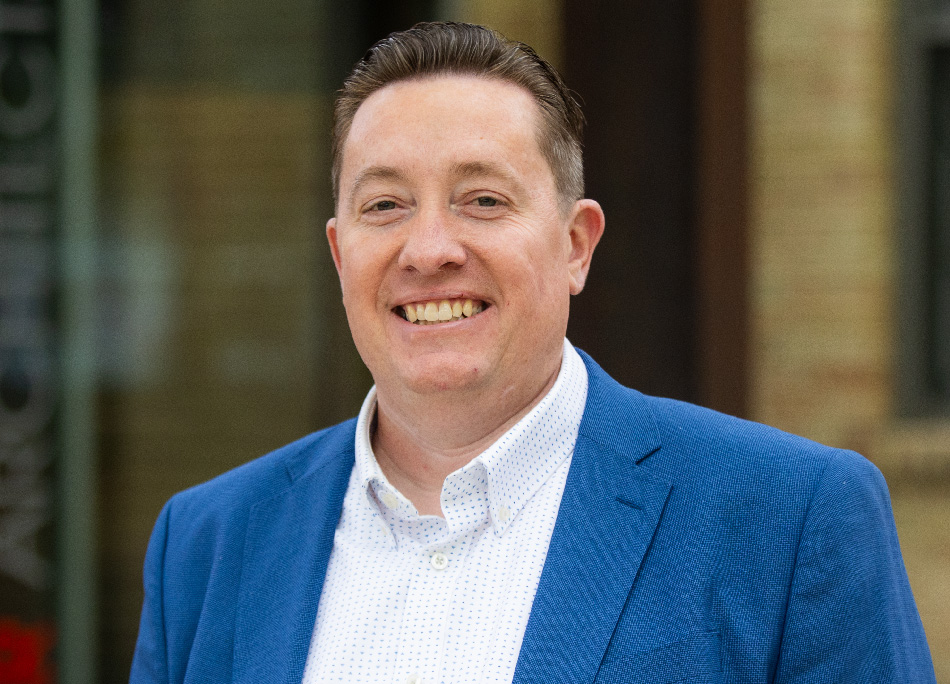
According to Preston Dean, the iconic building’s architecture and imposed constraints gave him and his FFKR teammates renewed energy and clarity as they began design.
“The building already belonged downtown. It had a scale and credibility you cannot fake, especially when you are designing along South Temple, with all its historical context,” said Dean, Principal Architect at FFKR.
That energy was put to good use as the architects reconciled the two fundamentally different building types.
Design Approach for Office versus Living Space
“Office buildings are designed around open floor plates, flexible layouts, and centralized services,” said Dean. “Housing demands daylight and livability, strong acoustic separation, and a completely different logic for plumbing and venting distribution.”
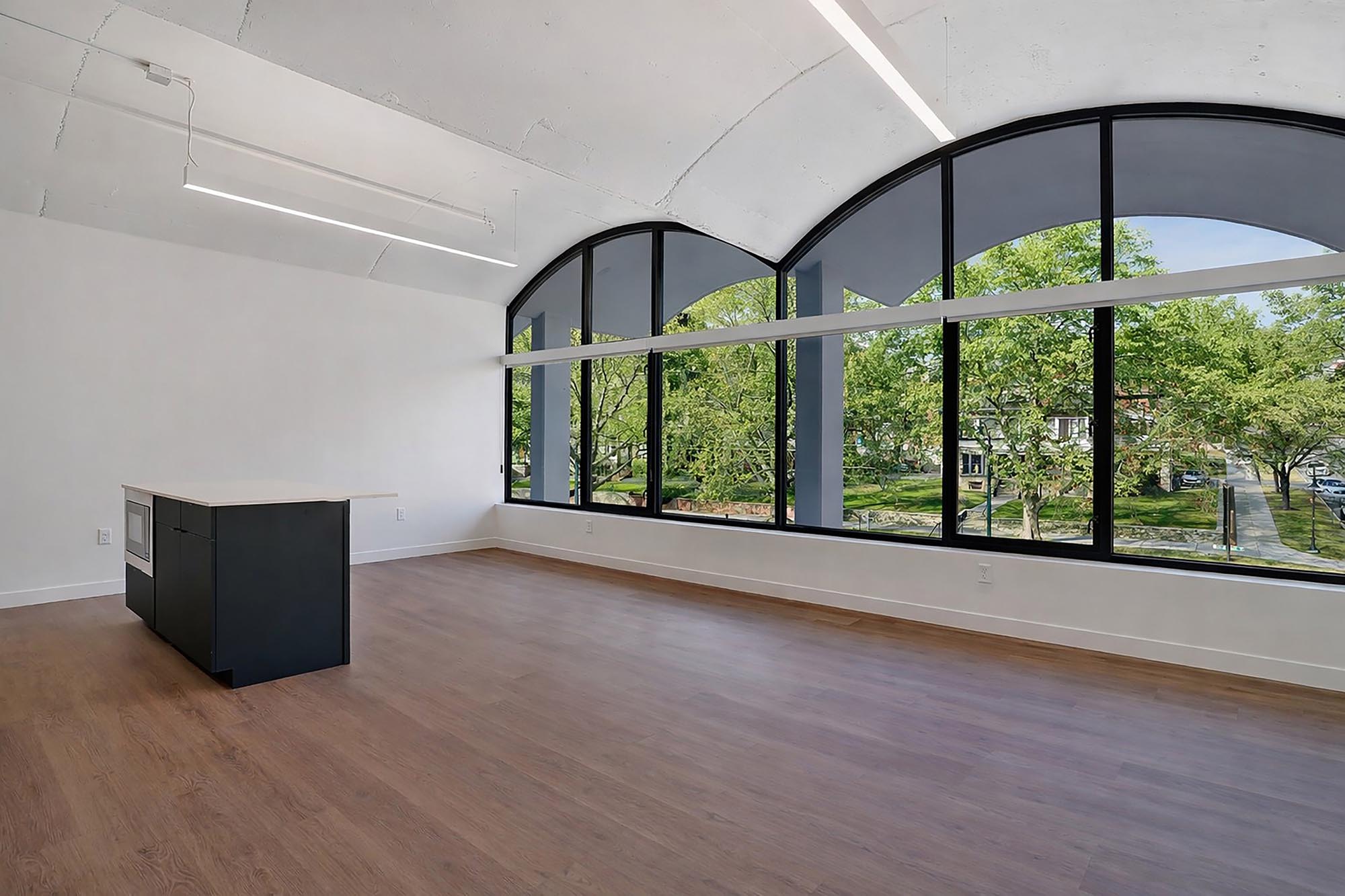
Fortune smiled on the project team. Floor plate dimensions on the Type 2B structure were well suited to residential planning along the north and south sides. The classical concrete arches even fall on a twelve-foot grid, naturally aligning with widths for one- and two-bedroom units.
Addressing Unforeseen Conditions
The project team also uncovered some less welcome history in a pioneer-era canal easement running across the site, a “single line on a map that had real design consequences,” according to Dean. Wadman and their construction partners rebuilt the buried canal, created structural bridging over it, and maintained access for the City to inspect and service it long-term. “In a project like this, those hidden layers of infrastructure can become just as influential as the architecture above grade,” said Dean.
Historic Tax Credits
Other scopes of the project were expected and welcome, namely in bringing the building envelope up to 21st-century standards. Keeping the embodied value of the structure while improving operational efficiency included replacing the windows, where mullions and more needed to be close enough to the original 1962 character to earn historic tax credits.
Balancing Act
“That balancing act—performance, preservation, and constructability—became a key factor in how we approached the exterior,” said Dean. But he continued,
“It’s not just about operational efficiency, […] We also want it to be loved enough to still be here decades from now.”
Sustainability as a Spectrum
Sustainability is a broad spectrum, and owners skew toward the pragmatic when undertaking such endeavors—first costs, schedules, risk, leasing, long term operations, and more don’t often lend themselves to idealism.
New Apartment Building
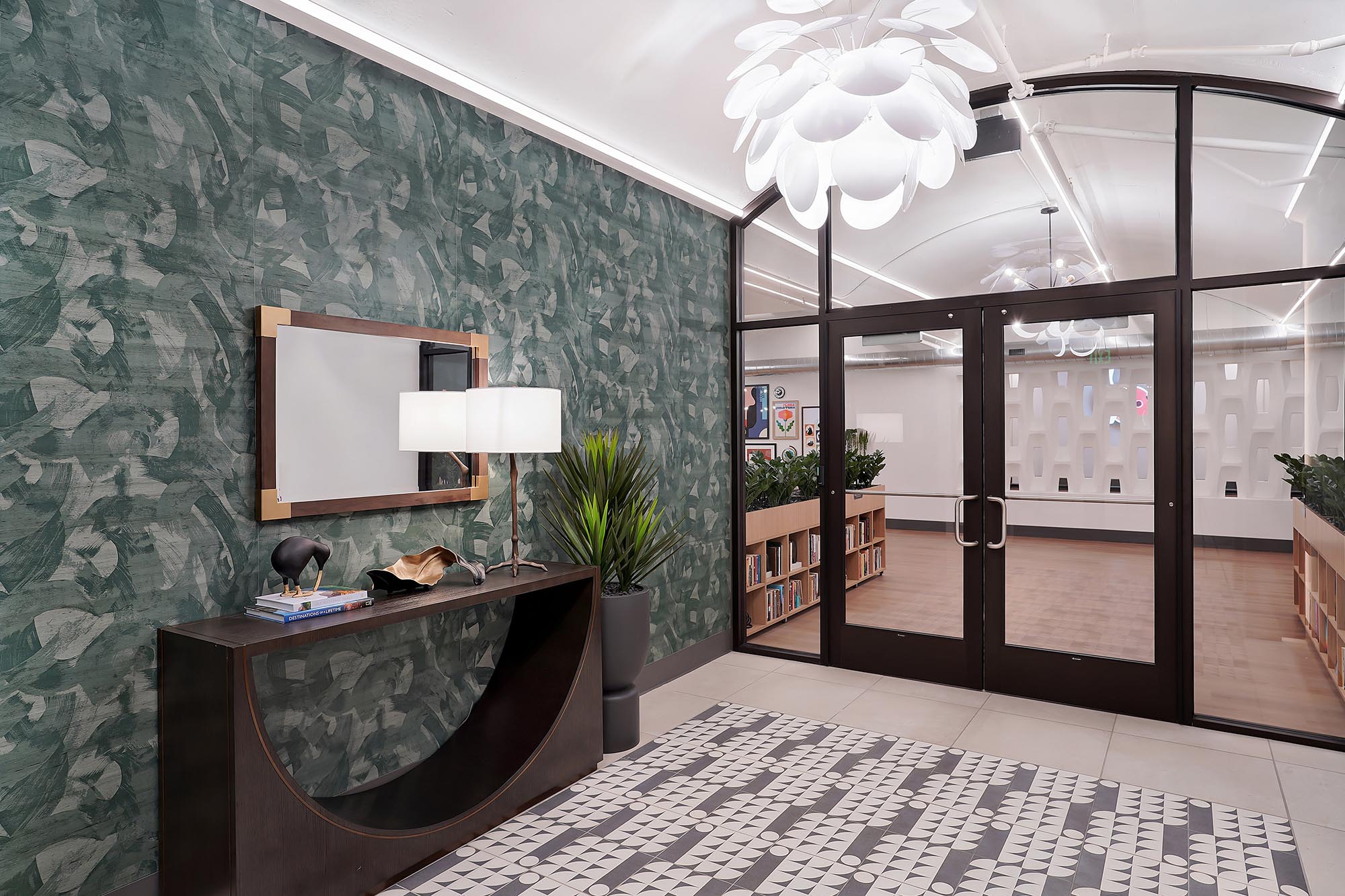
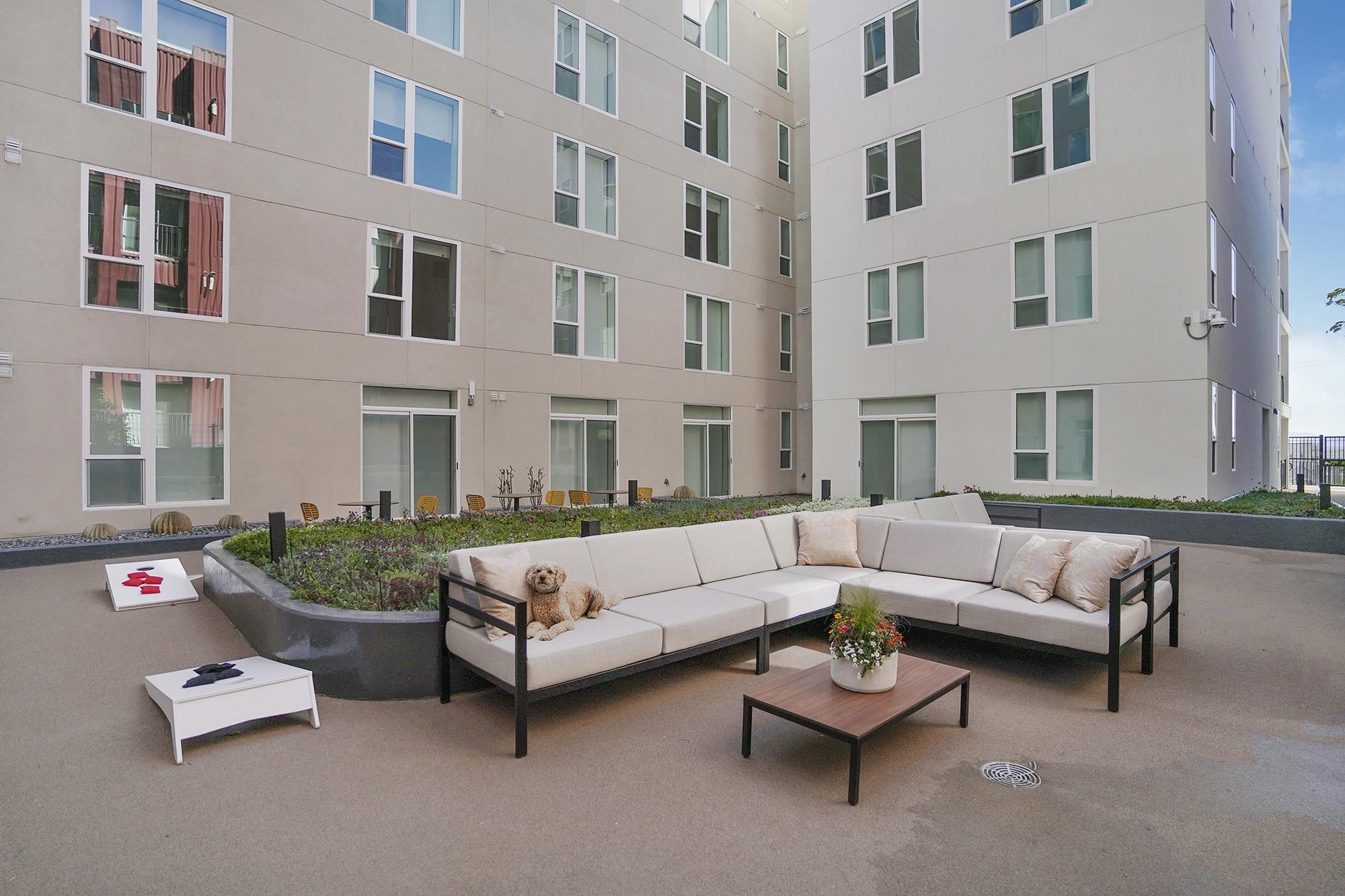
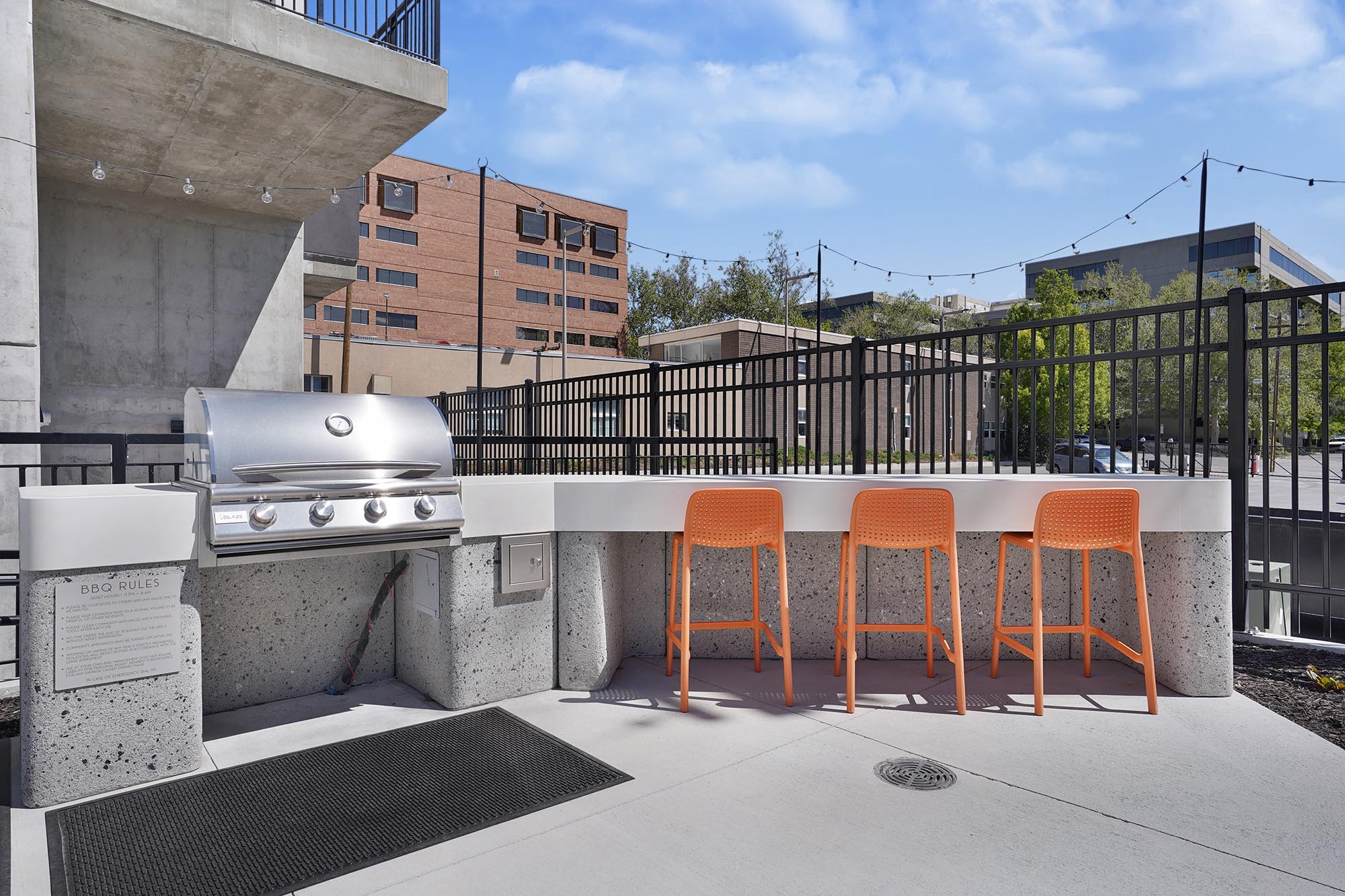
The value proposition involved constructing a new apartment building with 162 units in the site’s rear lot to add density to the area and improve the project’s financial viability. FFKR designed assemblies and finishes with an eye toward longevity across the entire project. “We treated acoustics, daylighting, and livability as sustainability strategies as well,” said Dean. “A comfortable building retains residents, reduces turnover, and stays relevant longer.”
Practical Features for Existing Basement
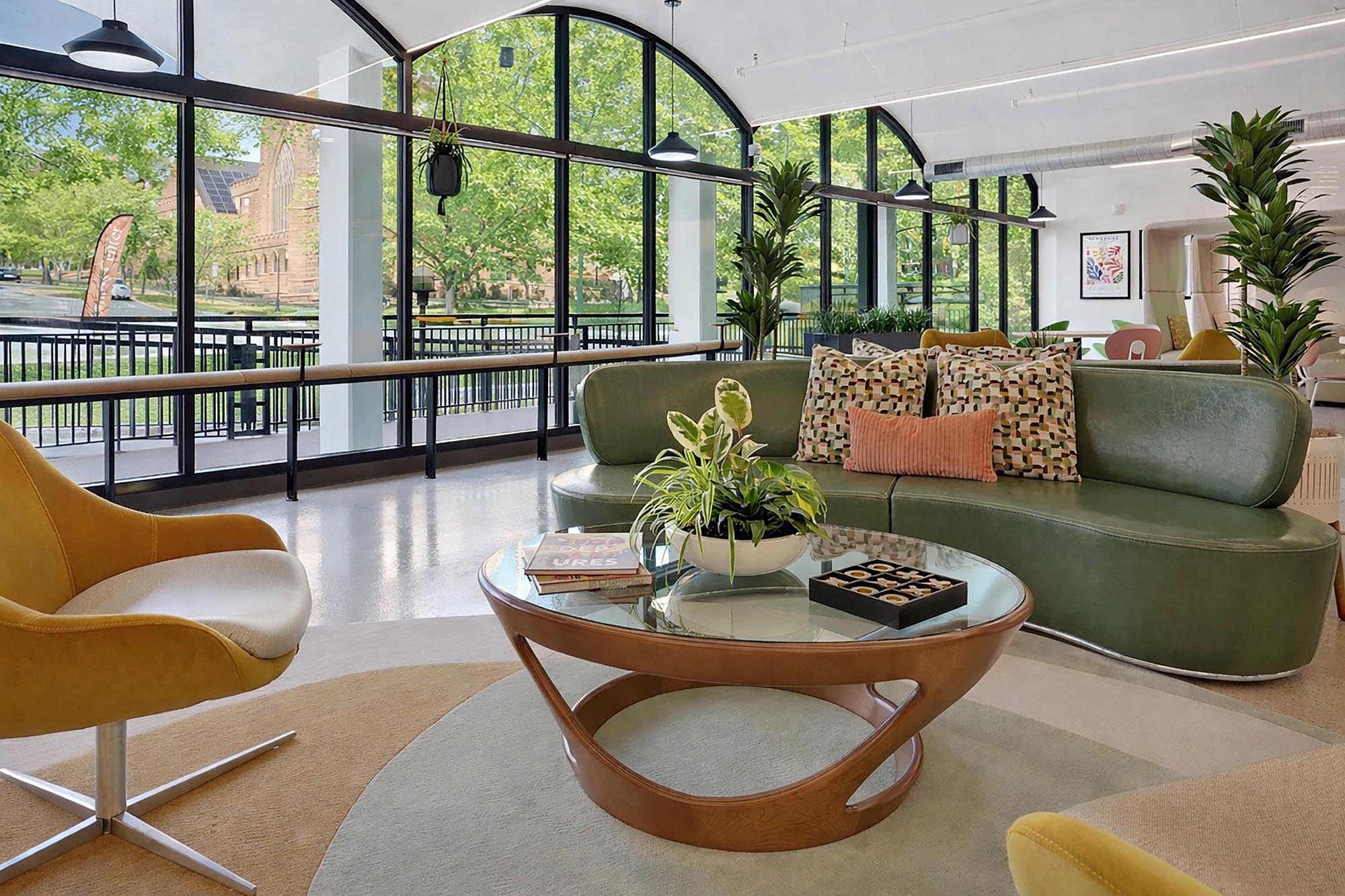
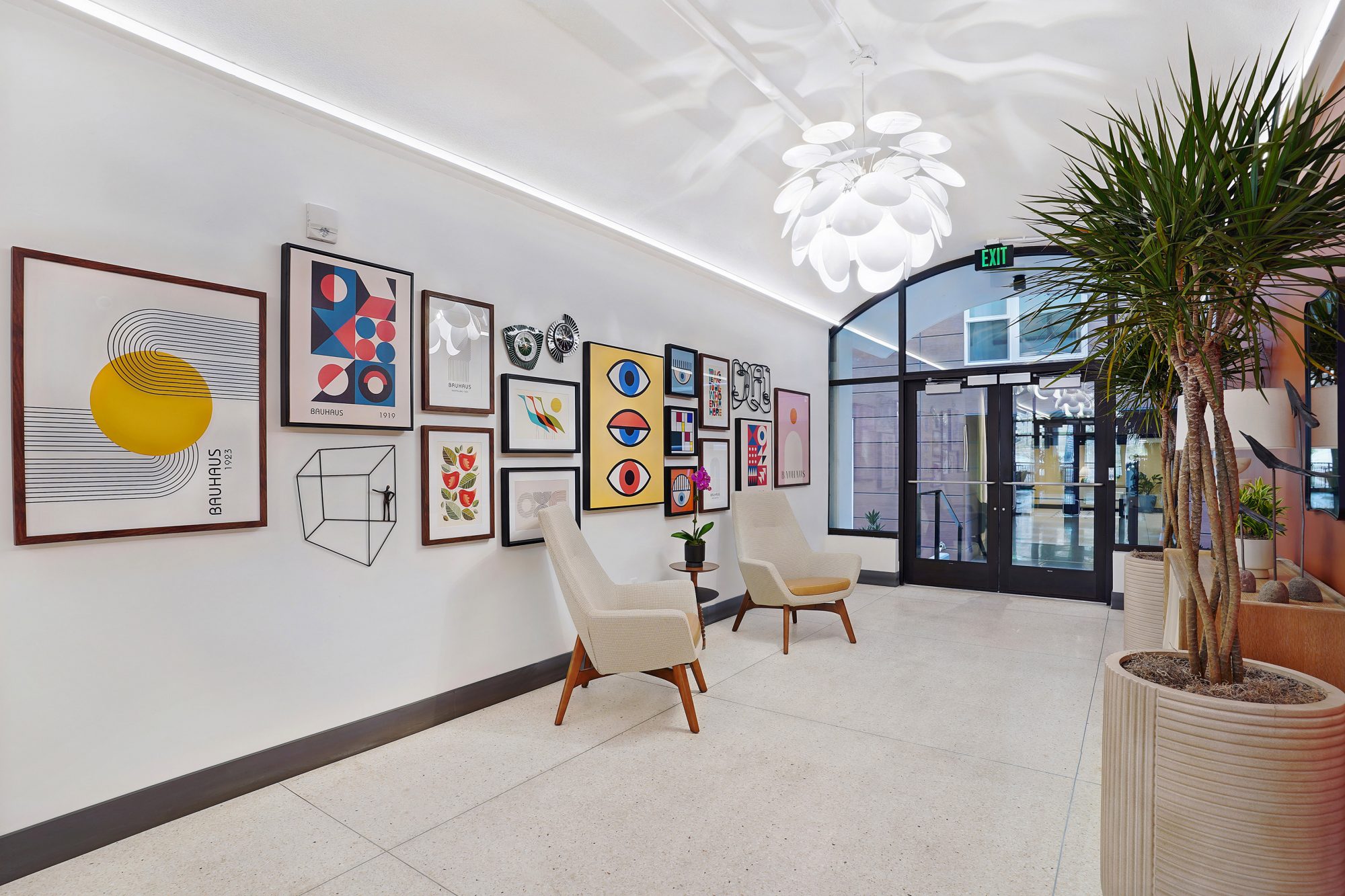
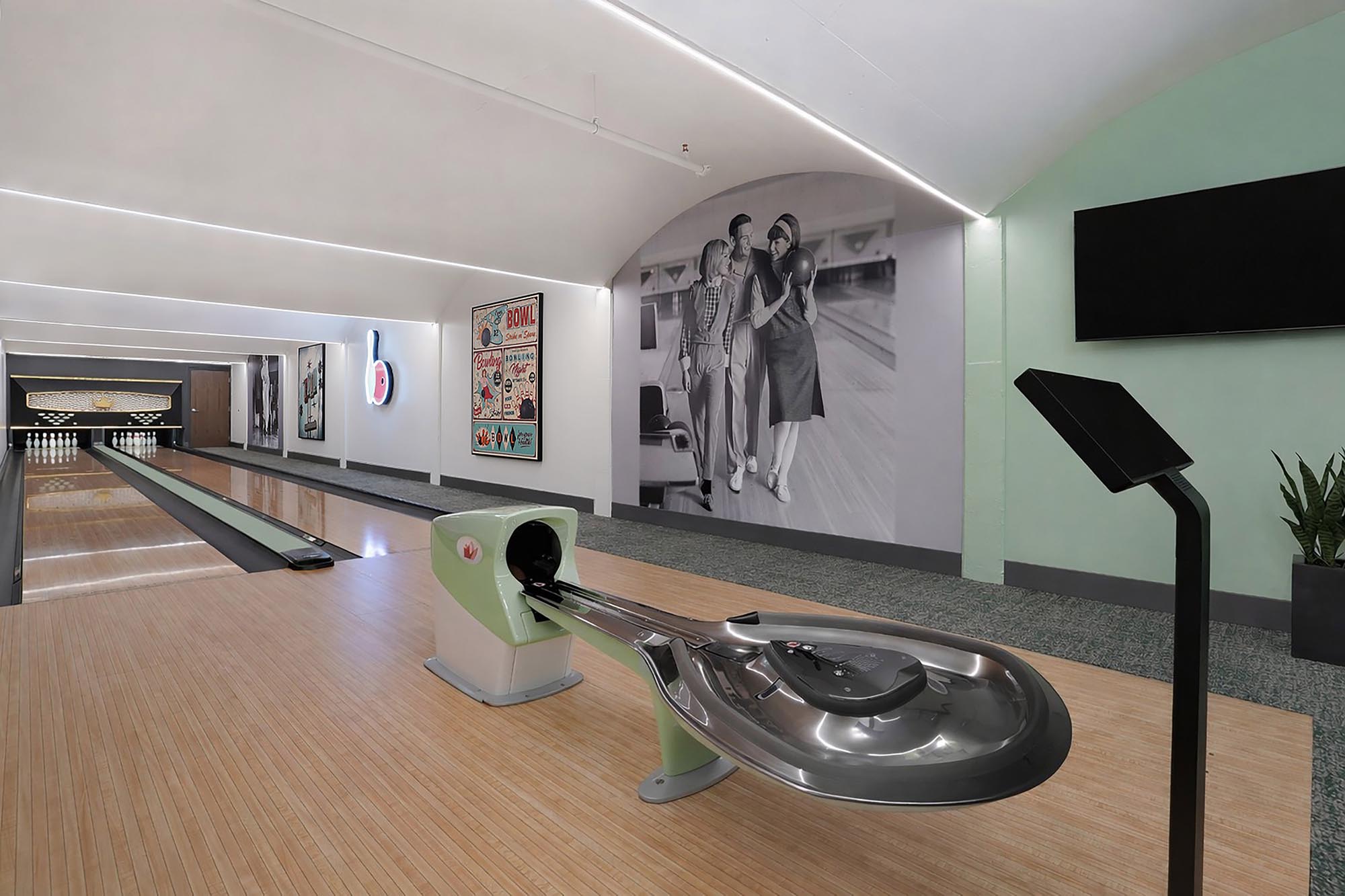
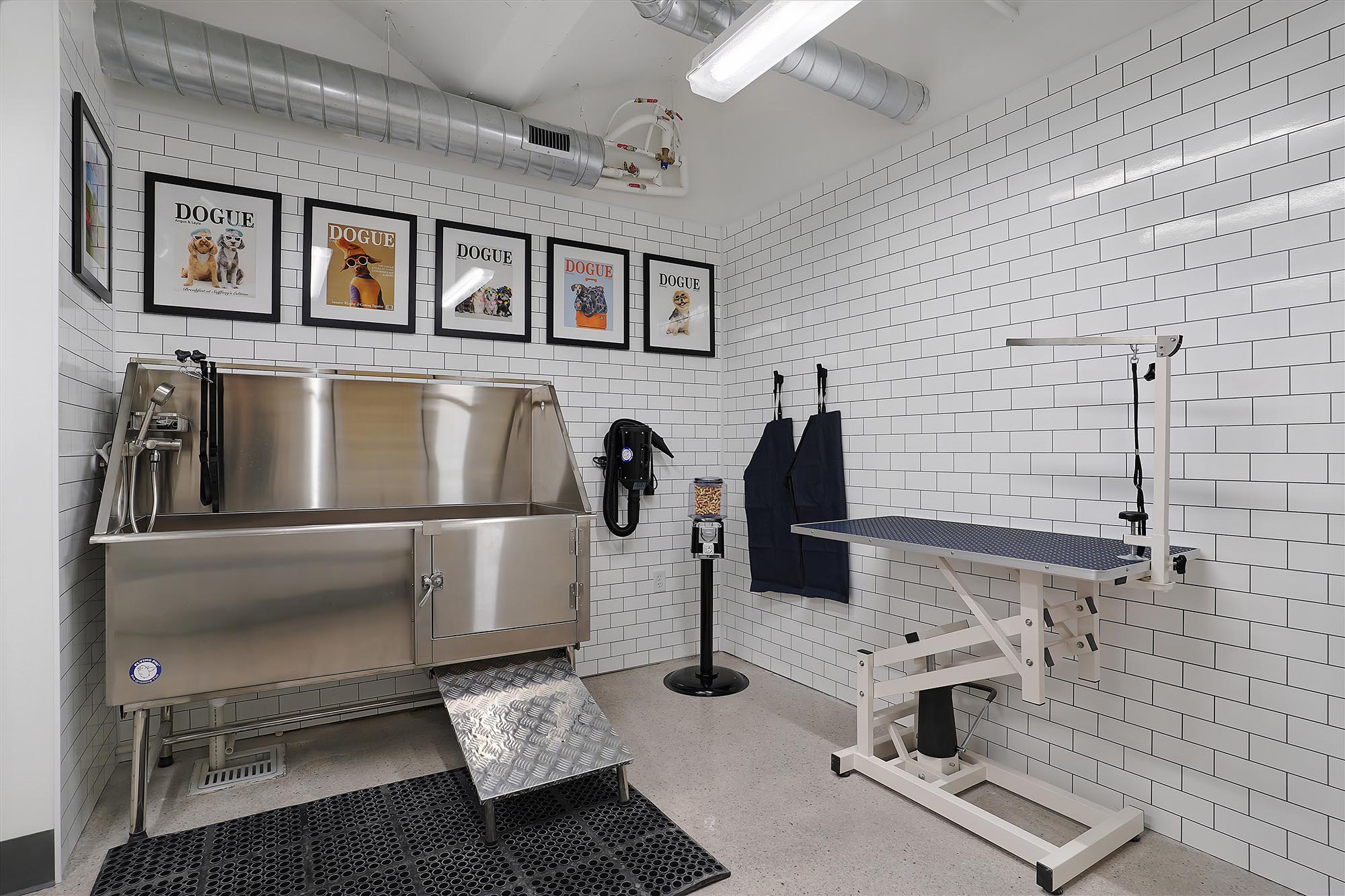
That ethos shaped design for spaces residents would actually use, starting with repurposing the IBM Building’s uninviting, windowless basement into practical features. Today, it includes a pet wash, bike wash, and storage. But the hidden gem in the project is the basement game room and vinyl lounge replete with poker tables, a golf simulator, arcade consoles, and a vintage two lane bowling alley complete with shoe and ball racks.
“If we talk about sustainability as a philosophical badge of honor, it often becomes a nonstarter,” Dean said. “If we talk about sustainability as a value proposition, we can get traction quickly.”
“We repurposed it into something unexpected,” said Dean. “[The basement] became the connective tissue to the parking structure.
Sustainability as a Value Proposition
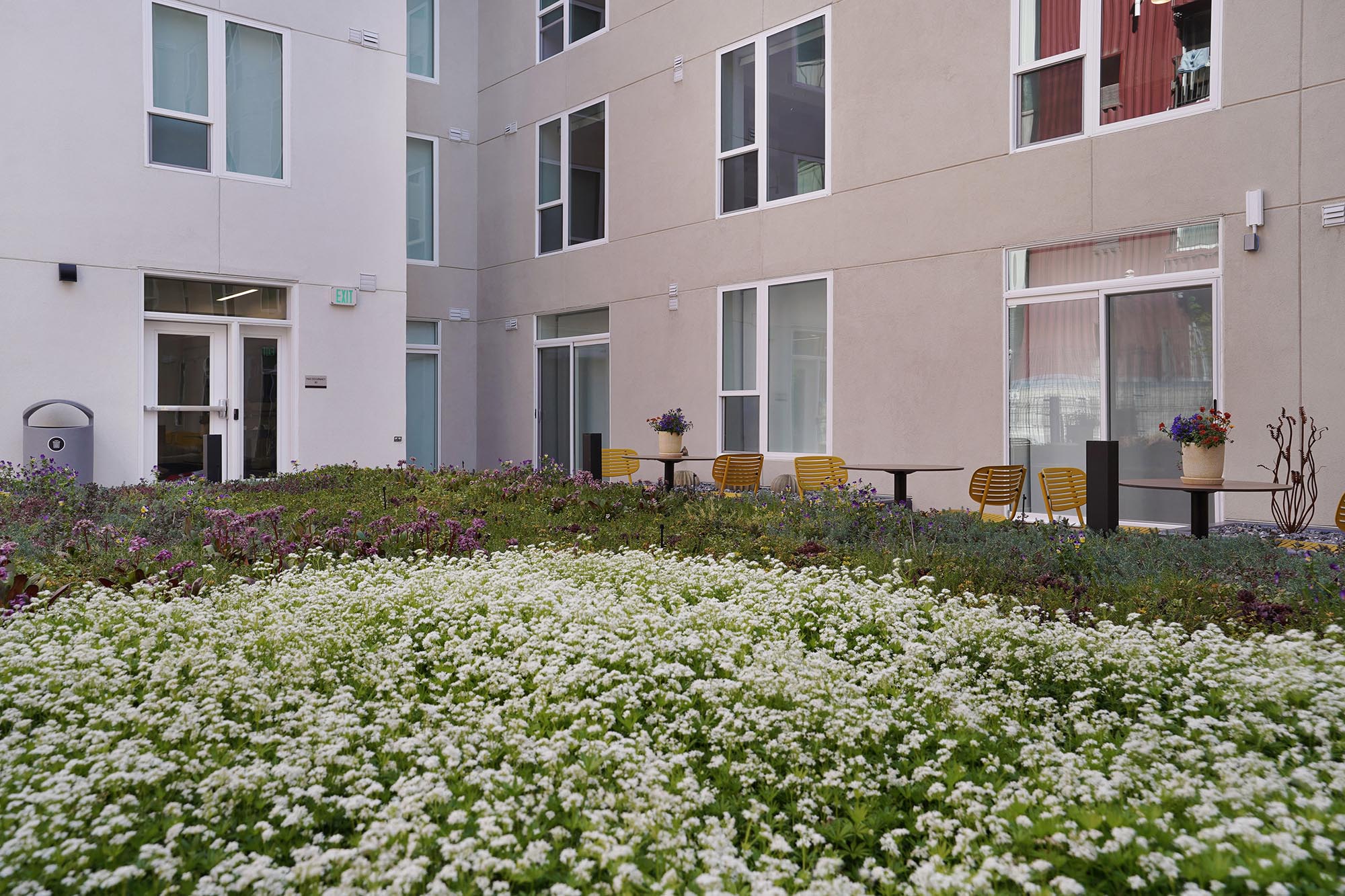
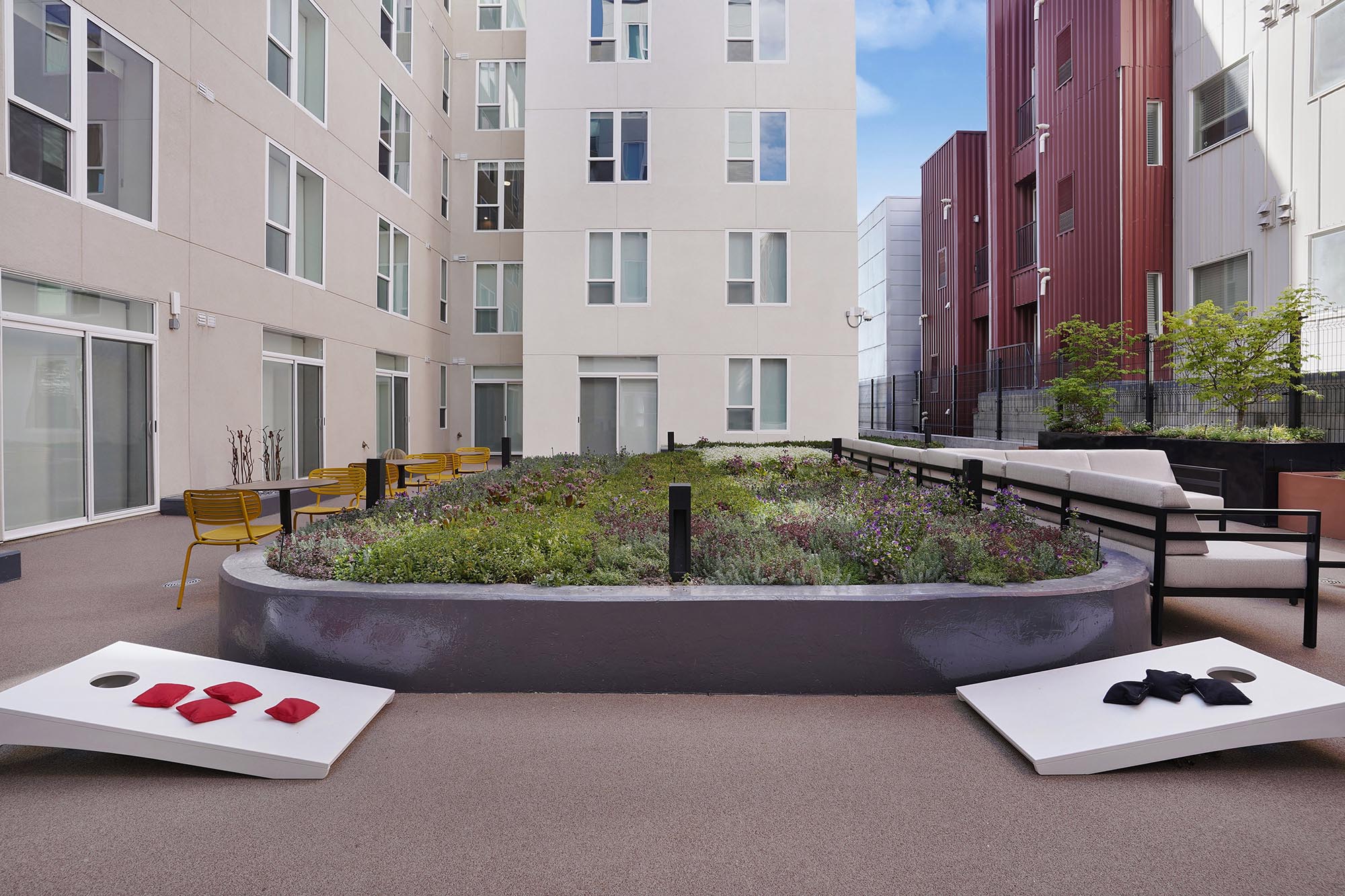
Connection continued with the three-story parking structure that sits below the new apartment building in the rear. The structure meets parking and fire separation requirements while still metaphorically tying the new and repurposed structures together. “We did that so the development felt like one cohesive place,” said Dean.
Cohesive Project
One cohesive piece that required plenty of work to assemble safely and correctly, according to Tayson Wilson, Wadman’s Project Manager. “This project really had everything.”
Everything? Wilson listed them: Historic remodel, new construction, an intense shoring solution that utilized four different shoring types, a site so tight that the project was just four inches from the neighboring buildings on the east and west while sharing a back retaining wall.
Navigating Density
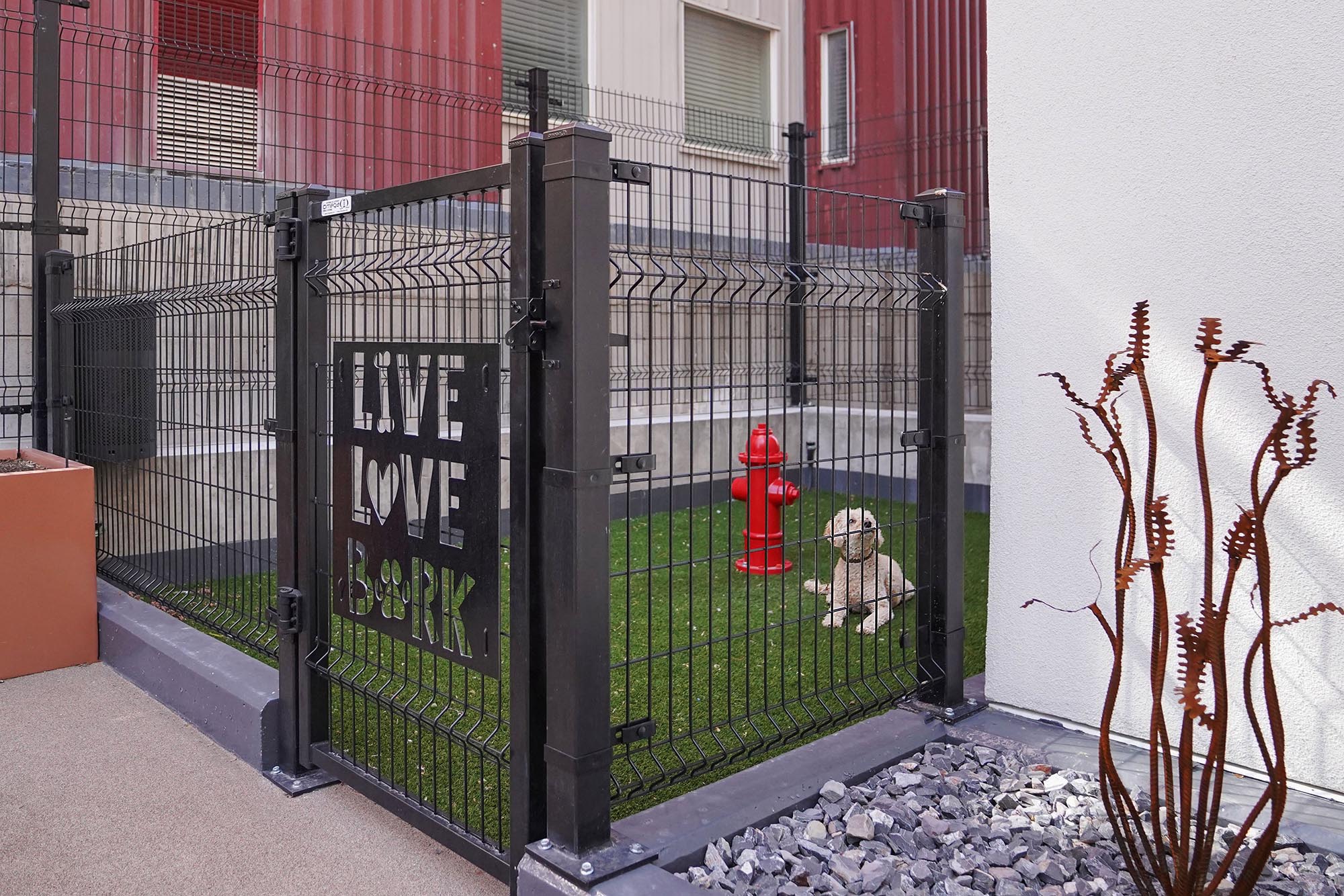
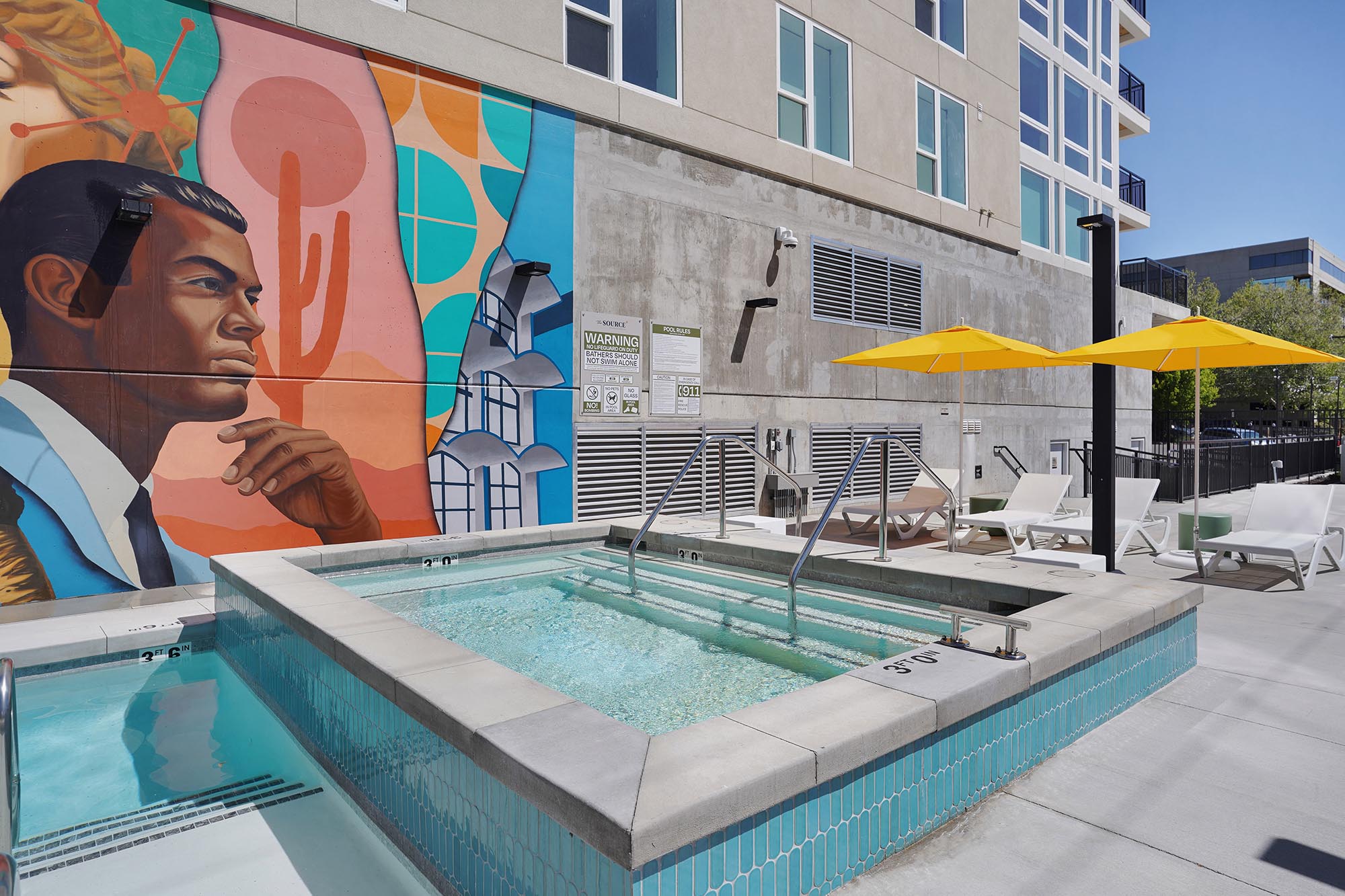
“When you combine all that with adding a parking garage, living units, a bowling alley, a swimming pool, an amenity deck, and both modernized and new elevators, you have every aspect of a major job packed into a block that’s less than an acre. Navigating that density was definitely one of our biggest challenges.”
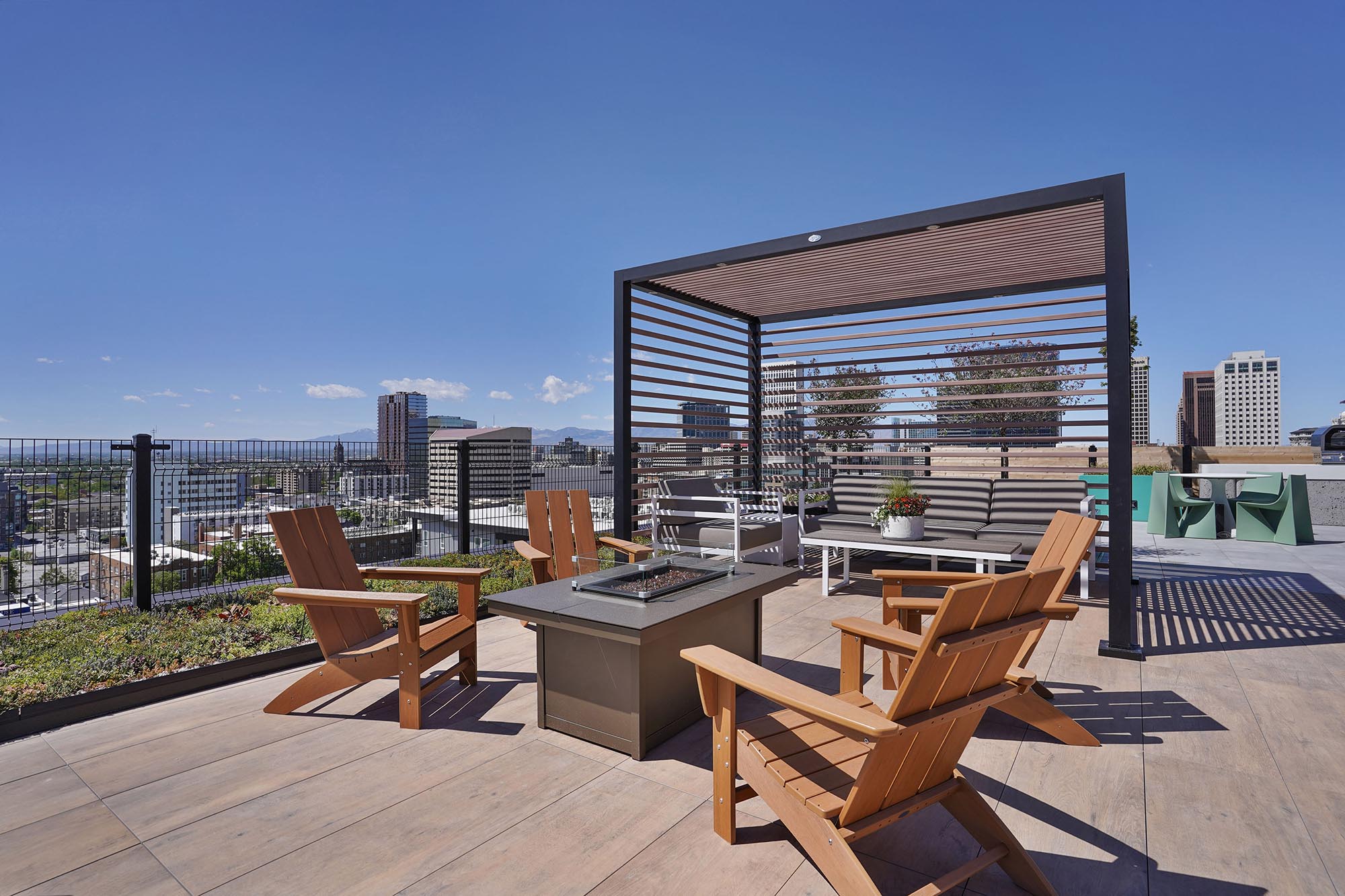
Powering through these waves brought The Source on South Temple to the promised land to what Wilson described as “a unique and iconic space along South Temple.”
Long-term View
The long-term view of the project makes it even better. The project team saved an iconic old building from the landfill, invested in place through adaptive reuse, and created a community beacon spread across two structures and 182 units that support daily life downtown.
“The simplest way to say it is, we saved an entire building’s worth of structure,” said Dean. “And in sustainability terms, that is hard to beat.”
Interested in working with us? Contact Us