
Loading...
Every legacy has a beginning. Ours started in 1976: with a concert hall, a collaborative effort, and a belief that the best designs come from putting clients first. As we look back at FFKR’s first foundational decade, that belief is woven into every project we touched — from cultural landmarks and university campuses to innovative workplaces and learning environments. The work, shaped by our clients’ distinct visions, changed every time. The commitment never did.
Many of the principles that guide us today were already taking shape in our earliest projects. While FFKR has grown and evolved over the decades, our commitment to our clients’ vision and success has never wavered. We don’t design for FFKR’s portfolio — we design for our clients.
From the very first project, our team approached design as a partnership — listening carefully, asking questions, and seeking to understand each client’s goals before proposing solutions. That mindset helped shape projects that not only met immediate needs but also created lasting value for the institutions and communities they served.
The impact of those early efforts can still be seen today. A concert hall that continues to bring people together through music. A campus standard that has guided decades of growth. A workplace that pushed the boundaries of energy efficiency. A business school designed to prepare students for the professional world.
As we celebrate FFKR’s foundational decade, we’re proud to revisit a few of these formative projects — examples of how putting clients first helped create places that continue to serve, inspire, and endure.
Christina Haas

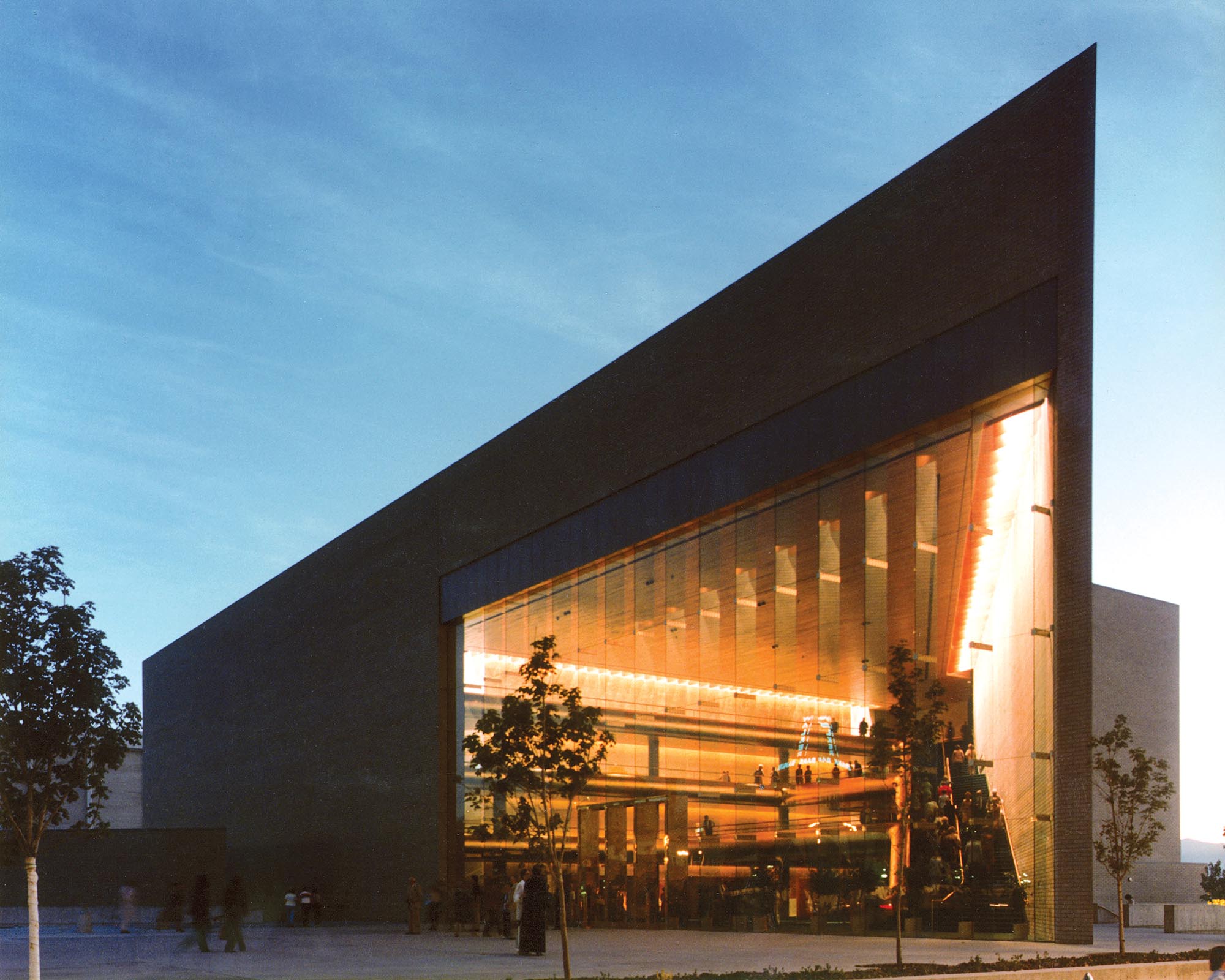
Abravanel Hall

Different strengths united by a common mark of excellence — a collaboration that created a new home for the Utah Symphony and serves the community to this day.
Christina Haas
Christina Haas
Christina Haas

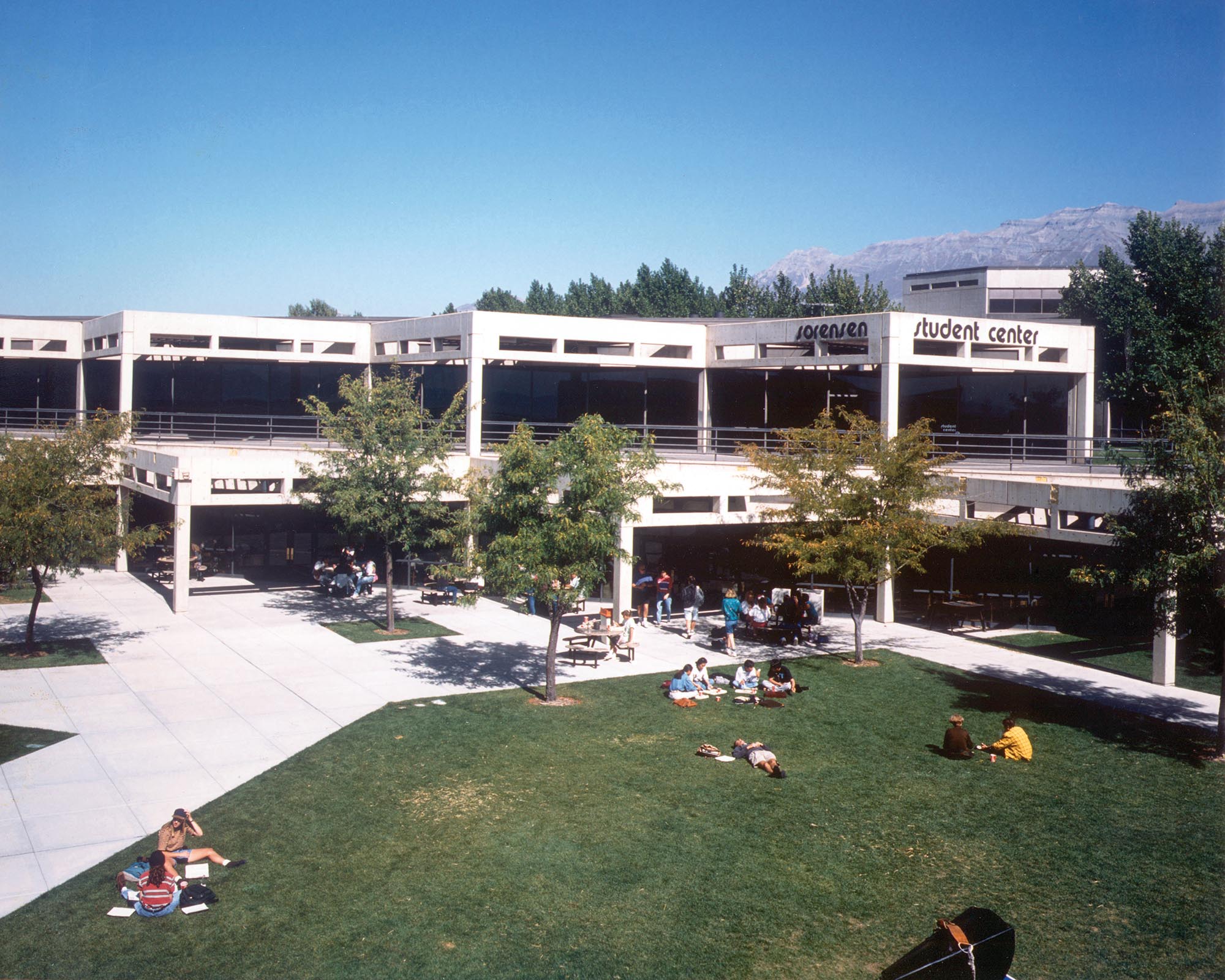
Utah Valley University

Northwest Pipeline Headquarters

N. Eldon Tanner Business Business

The look and feel of the Utah Valley University campus was imagined in 1976, setting the standard for a design grid and materiality that continues to guide new building design.
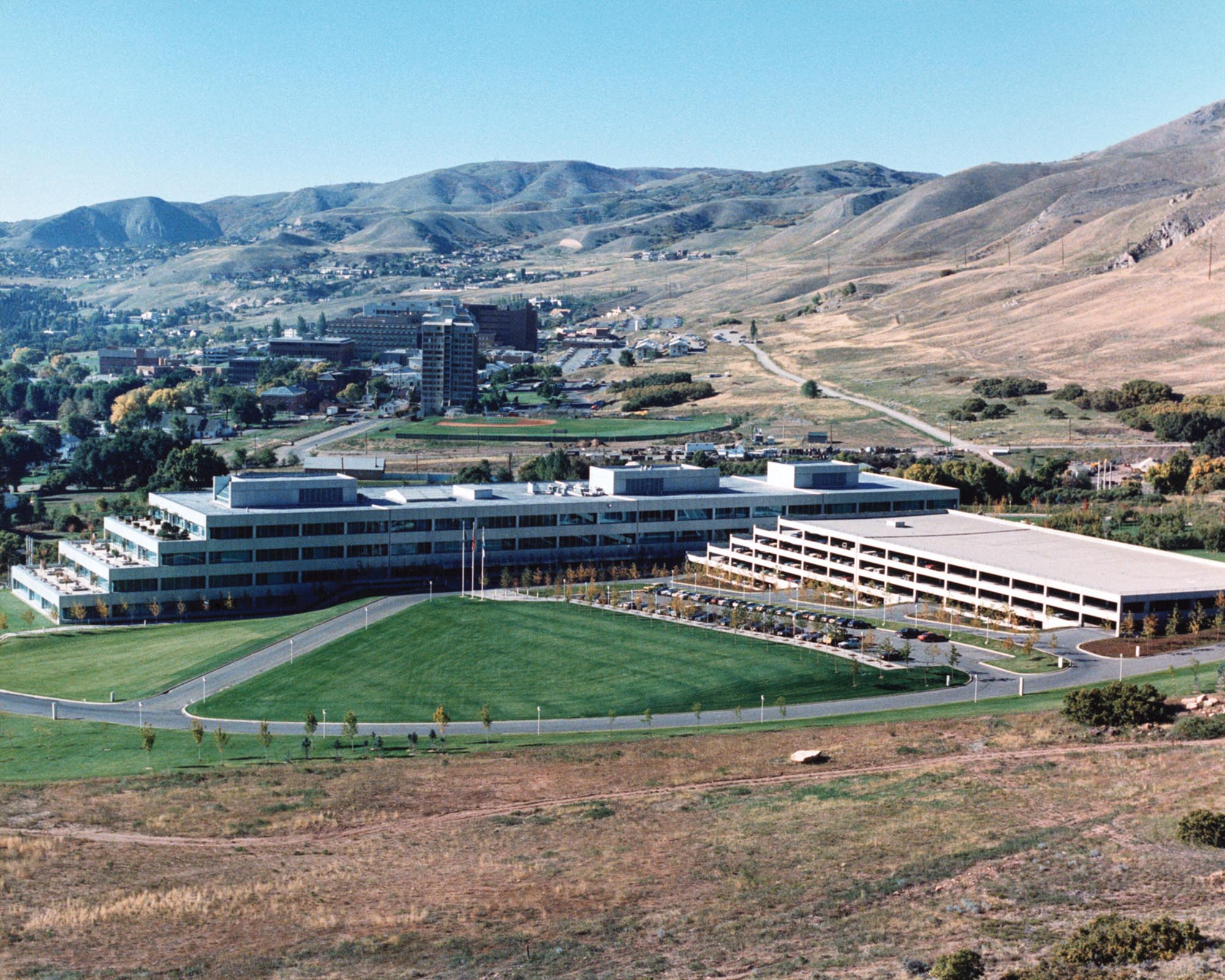
Early innovators in sustainable design, the headquarters required efficient use of energy. We achieved electrical watts per square foot, one-fourth that of the average building of its era.
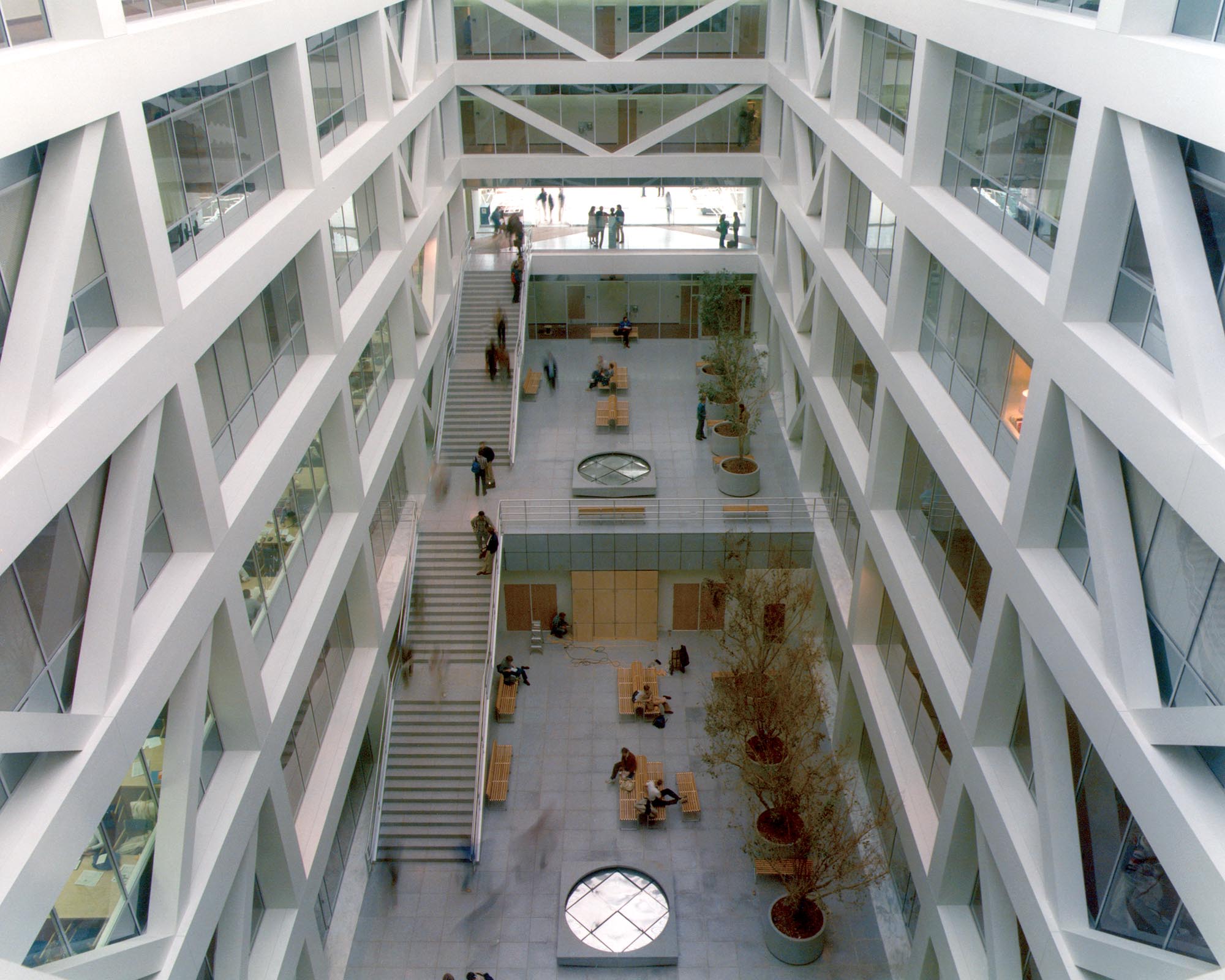
Preparing students for life after graduation drove every design decision — classrooms and case rooms were modeled after the professional office environments they were about to enter.

Historical Happenings

Christina Haas
Christina Haas
Christina Haas

1976

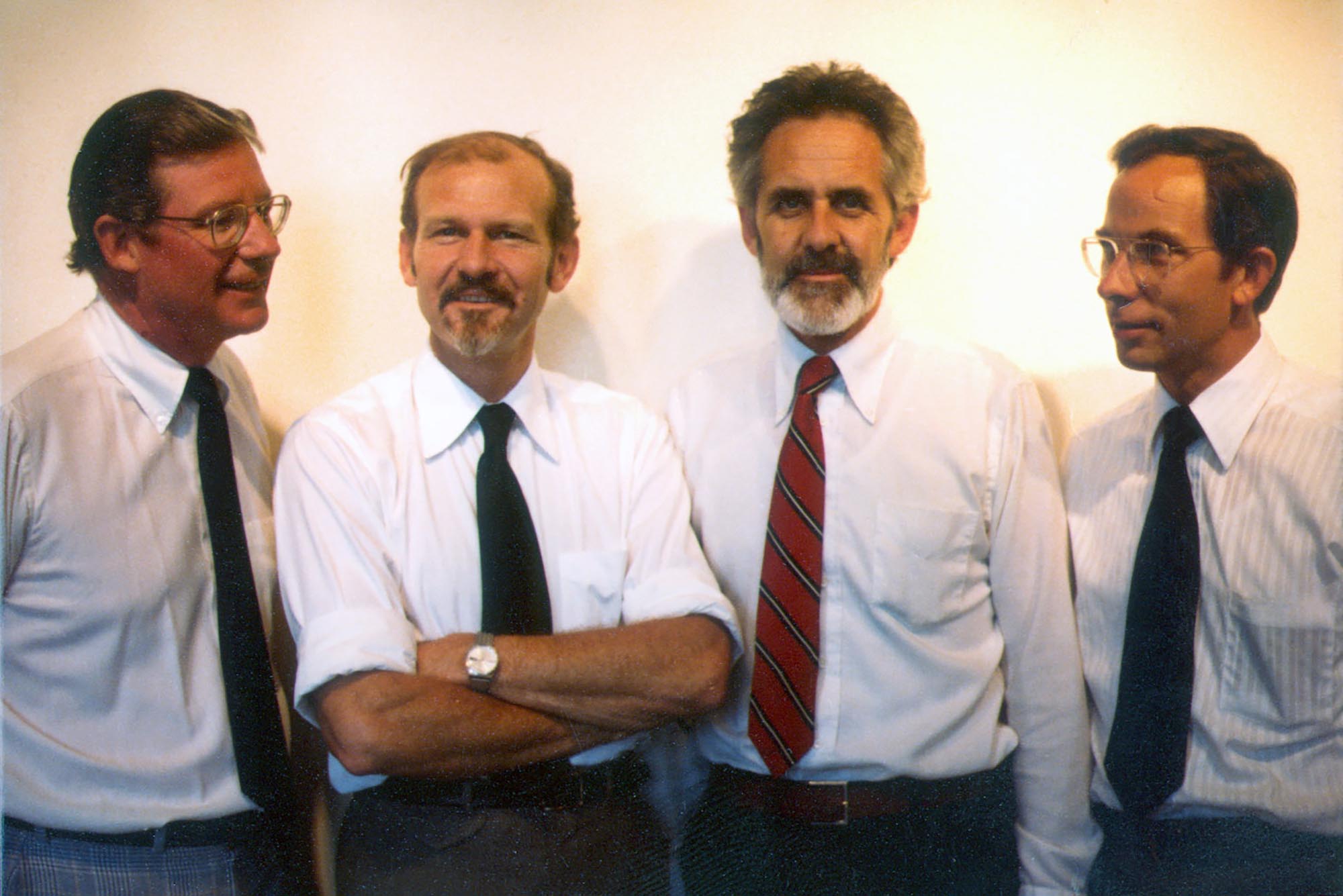
Fowler, Ferguson, Kingston, Rueben Architects is founded.
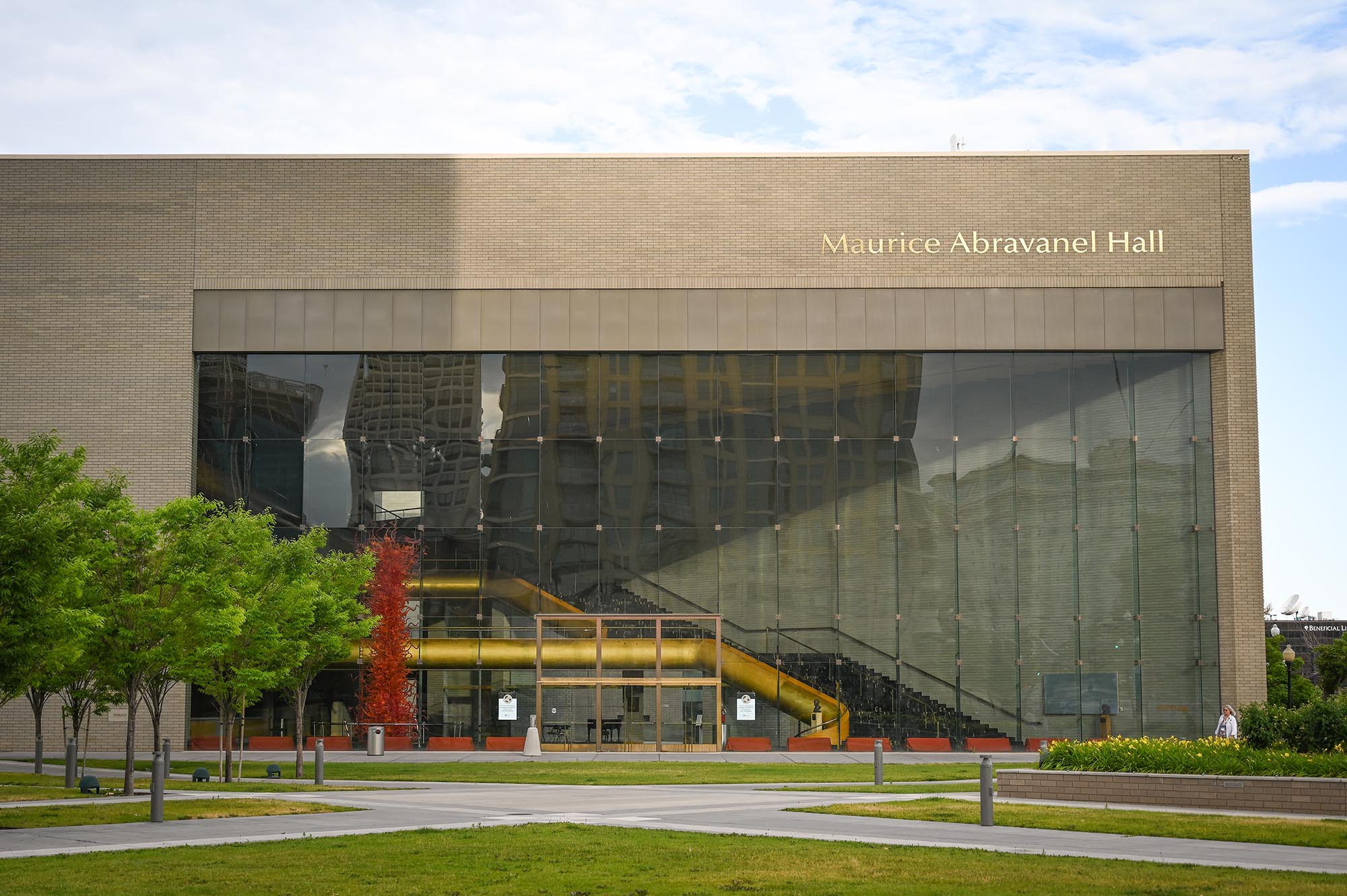
1979

Maurice Abravanel Hall opens.
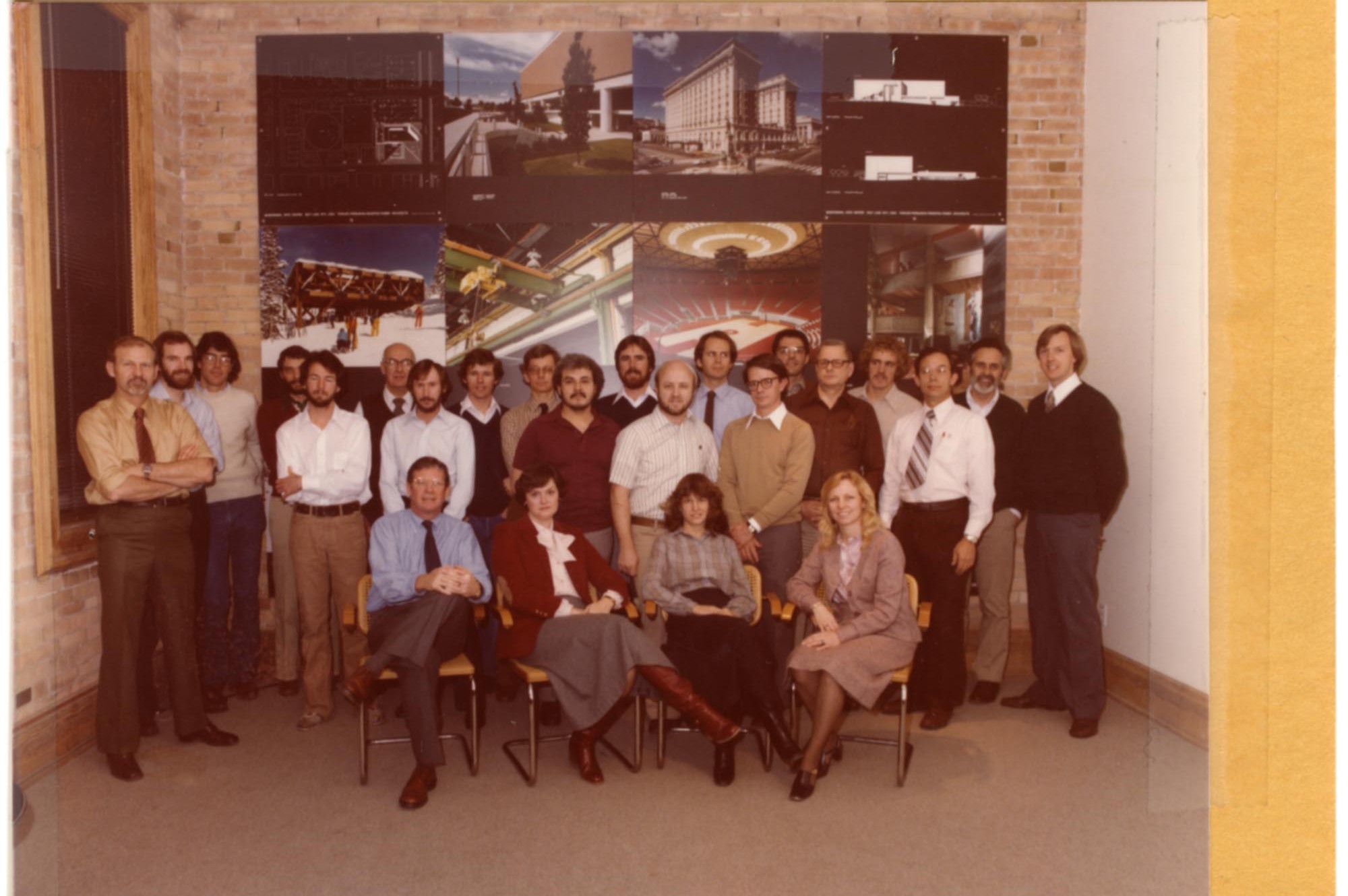
1980

FFKR Architects staff.
Christina Haas
Christina Haas
Christina Haas

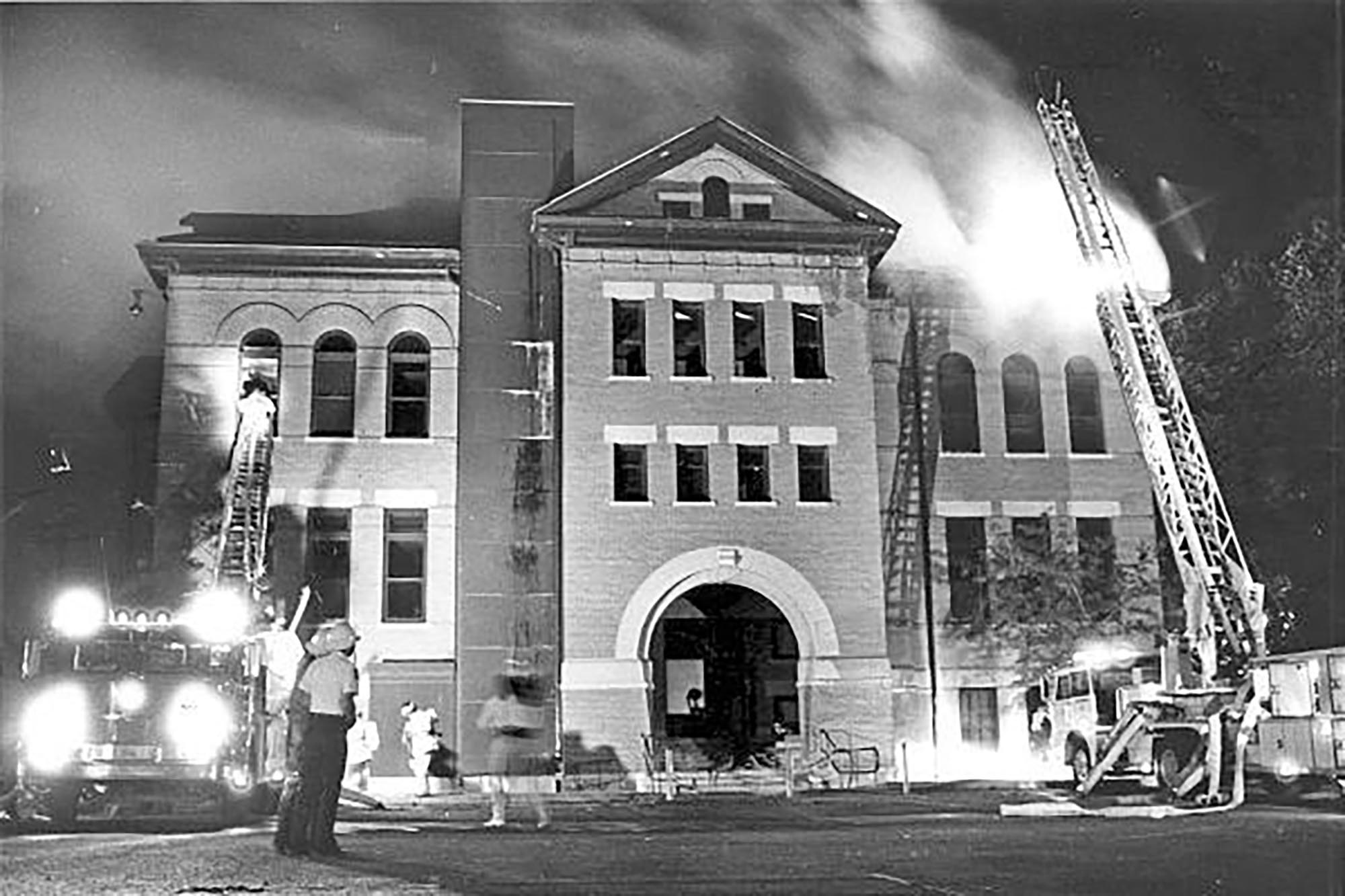
1985

Oquirrh School fire in FFKR’s offices. Thought to be caused by a cigarette butt, the firm temporarily relocates to the Northwest Pipeline Building.
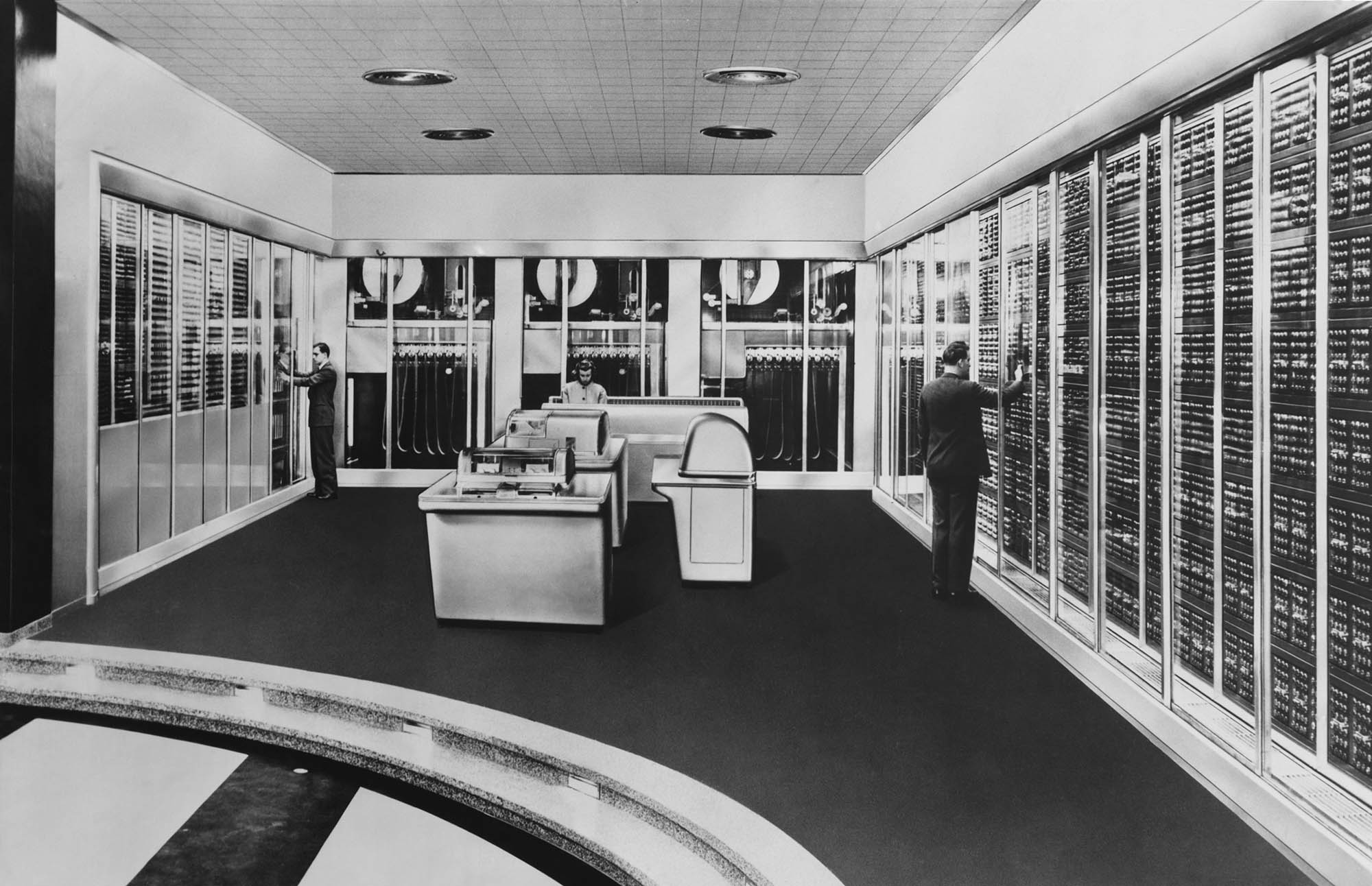
1985

FFKR purchased a CAD system, Artis.

Related Items